Major Cities, Major Statements
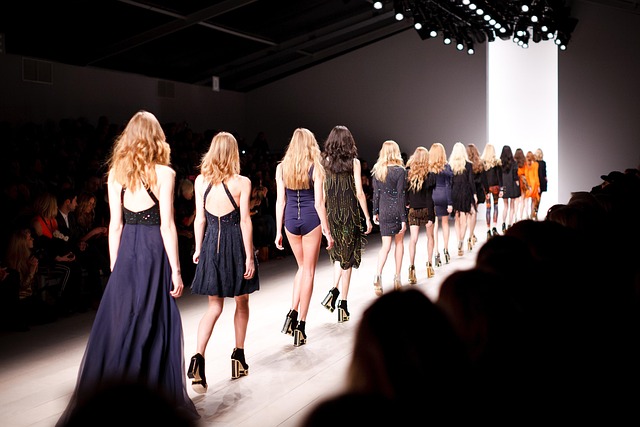
Fashion month landed with force, and each city brought its own flavor. New York leaned into practicality with an edge think streamlined silhouettes, solid tailoring, and a quiet rebellion against fast trends. Over in London, innovation thrived in the chaos. Designers pushed boundaries with deconstructed textures and political undercurrent woven into nearly every collection.
Milan, as ever, served opulence but this time with a note of restraint. Heritage houses like Prada and Fendi stripped things down, delivering looks that whispered luxe instead of screaming it. Paris delivered the finale with its signature drama. The biggest names Chanel, Saint Laurent, Margiela balanced architectural excess with sudden minimalism. It wasn’t about shock; it was about control.
But the real shake up came from names you might not recognize yet. Elena Verri’s abstract tailoring in Milan broke through the noise with sculptural jackets styled like wearable origami. In Paris, Kaito Hoshino’s hauntingly minimal show left the crowd silent and then on their feet. Meanwhile, London’s Tolu Ajayi redefined knitwear into genderless, kinetic art. These aren’t just designers to watch they’re already changing the conversation.
The Shift in Style Codes
This season’s fashion weeks quietly pulled off something major: making style more livable. Designers put wearability up front not as a compromise, but as a design principle. Looks weren’t dumbed down; they were dialed in. Think structured ease, versatile tailoring, and pieces you could toss into rotation without looking like you tried too hard. Even the runways nodded to real life.
Sustainability wasn’t a buzzword it showed up in recycled textiles, inventory free collection models, and a wave of materials that valued longevity over hype. There’s a growing sense that flash for flash’s sake is out; intention is in.
Color stories took some wild turns, though. Think clay oranges flexing against chalky pastels, deep greens layered over optical whites. Unexpected, but not gimmicky. The kind of hues that feel personal, not seasonal.
Culturally, silhouettes got a refresh. Traditional garments saris, hanboks, abayas inspired reworked tailoring. Not as token gestures, but as authentic reinterpretations. The message: style isn’t universal, but it can be shared with care. That quiet shift is reshaping what ‘global fashion’ really looks like.
Star Power on and off the Runways
Fashion Week has always been about more than just the clothes it’s a heatmap for cultural relevance. In 2024, celebrities didn’t just show up, they shaped the moment. Rihanna claimed front rows like they were her personal office. Timothée Chalamet skipped subtle in favor of bold suiting statements, reminding everyone that androgynous glam is here to stay.
Creative directors also stepped from behind the curtain. Pharrell’s continued reign at Louis Vuitton blurred the lines between music, streetwear, and legacy fashion without breaking stride. Jonathan Anderson kept courting the unexpected at Loewe, drawing praise for risk taking in a season leaning safe.
Street style deserves its own highlight reel. Real fashion fans lit up sidewalks from Milan to Tokyo in a blur of distressed leather, unfinished hems, and matte metallics. The best looks didn’t need validation they started conversations.
Then came the collabs. Miu Miu x New Balance was the kind of quiet drop that caused loud disruptions online. Meanwhile, Diesel teamed up with emerging digital artists, delivering a capsule that was both wearable and collectible.
And as always, some of the strongest statements came from those who never touched the runway. Zendaya just passing through stole headlines in archival Mugler. And Tyler, The Creator turned casual layering into gospel simply by walking to his seat.
2024 didn’t just bring fashion to the runways. It placed it in the hands of those who know how to carry the moment, wherever they stood.
Tech Meets Fashion
Digital First Debuts Steal the Spotlight
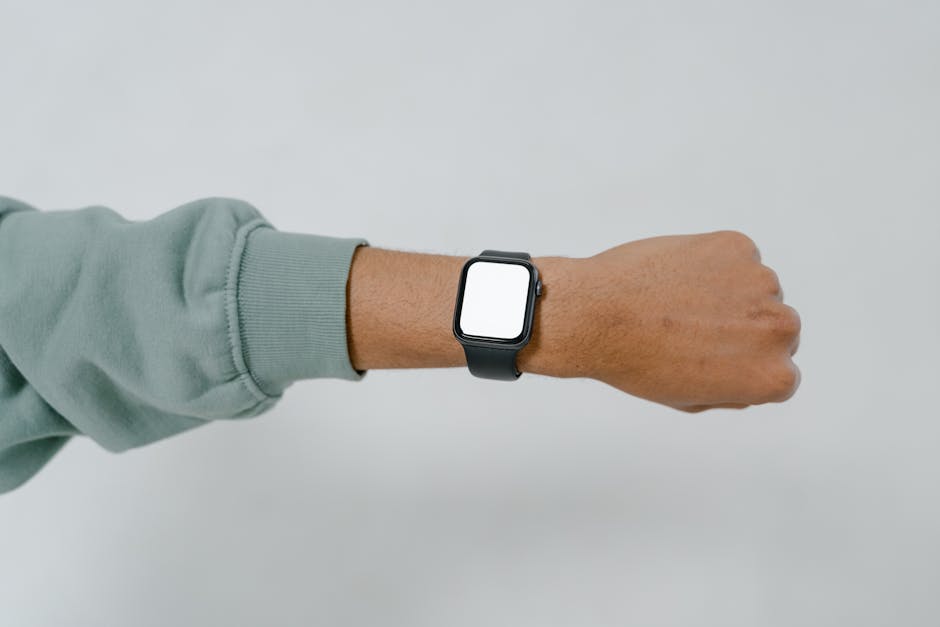
In 2024, fashion weeks weren’t just about clothing they became full scale multimedia experiences. Across the major cities, several brands completely swapped in person shows for digital first presentations. Instead of traditional runways, viewers logged in to watch precision edited films, choreographed fashion vignettes, and interactive livestreams designed to feel as elevated as front row seats.
What stood out:
High concept fashion films replacing live catwalks
Global access via livestreams and platform owned show hubs
Designers embracing digital storytelling over spectacle
Tech Pushing the Creative Envelope
Fashion fused with futuristic tech in ways that went far beyond theatrics. Leading brands introduced cutting edge tools that blurred the lines between physical and virtual fashion.
How brands raised the bar:
Augmented reality (AR) try on tools for instant virtual fitting rooms
AI generated runway visuals and set designs
Digital avatars modeling full collections in entirely virtual environments
These innovations weren’t just gimmicks they opened new dimensions of storytelling, allowed for stronger control over creative direction, and increased accessibility for broader global audiences.
Virtual Fashion’s Real World Consequences
For legacy fashion houses and emerging labels alike, the digital push reshaped expectations. As the line between tech and textile blurs, questions arise: how does a virtual dress sell? How do we value craft when code replaces fabric?
Impacts to watch:
Increased pressure on traditional houses to modernize presentation formats
Fashion critics and buyers adjusting how they assess digital shows
A shift toward hybrid event models where online and offline coexist
Fashion weeks are no longer only about what’s walking down the runway they’re about how it’s shown, how it’s searched, and how it sparks conversation in real time online spaces.
The Takeaway Trends You’ll Actually See IRL
Runway drama can stir headlines, but what really matters is what ends up on bodies and in videos. This season’s message is clear: practicality and elevation aren’t mutually exclusive. The pieces forecasted to dominate? Streamlined, wearable staples with a fresh edge. Expect tailored utility pants, strong shouldered outerwear, maxi skirts in structured knits, and reengineered basics that do more with less.
As for accessories, they’re loud but smart. Oversized totes are edging out micro bags. Belts are back chunky, layered, or built into garments. And earrings? Think sculptural and unapologetic. Layering rules have also shifted. It’s less about piling on and more about precision mixing textures like mesh under wool, matte over shine, or tonal on tonal neutrals that don’t try too hard but still land the look.
Color wise, the so called neutrals aren’t playing it safe. Oyster gray, dusty clay, and muted teal are cropping up as the anchors of fall wardrobes. Retailers are already placing bets: buyers from Net a Porter to Ssense are pushing smart suiting, form meets function tops, and artisan crafted accessories. These aren’t just one season wonders they’re the building blocks of a bigger fashion reset.
Know the Culture to See the Vision
Fashion weeks in 2024 didn’t just showcase clothes they served as a global mood board. Underneath the layers of silk, denim, and biodegradable knits, designers were reacting to something bigger: the post pandemic recalibration of identity, the rise of political unrest, and the need to make fashion mean something again.
Collections this year felt more grounded, even when they were experimental. You saw it in pieces that nodded to protection structured outerwear, face concealing accessories, utilitarian layers and in shows that opened with spoken word or began in silence. These weren’t gimmicks. They were statements. Identity, resilience, and collective memory took center stage in runways from Lagos to Paris.
Fashion weeks are evolving. They’re no longer just stages for seasonal drops they reflect culture in motion. Designers, especially the next gen wave, are treating the runway as a lens to examine where we’ve been and where we’re going. You can’t talk about trends anymore without knowing the world that shaped them.
(Need the bigger picture? Here’s a refresher on how global contexts shape fashion weeks.)
What It Means for the Industry Moving Forward
One of the clearest signs of change in the fashion industry right now is what’s happening at the top. From Gucci to Louis Vuitton, we’ve watched a quiet reshuffle of creative directors and executive leads. Some transitions were abrupt, others carefully choreographed. But the message is the same: major labels are trying to realign with a fresher, more globally conscious audience. Younger talent is stepping in, and with that, distinct shifts in point of view and storytelling are emerging.
Meanwhile, fashion weeks have outgrown their original footprints. They’re no longer exclusive to big four cities or traditional media cycles. Instead, they’re becoming digital first exchanges that span time zones and break the gatekeeping mold. Live streamed shows, capsule drops designed for social virality, and localized influencer takeovers are giving global audiences front row access without boarding a plane.
The arc toward inclusivity isn’t just a statement anymore it’s a strategy. Audiences notice who’s on the runways, who’s designing the clothes, and which markets are being recognized. Labels looking to stay relevant are rethinking casting, expanding collaborations, and investing in designers from underrepresented communities. Decentralization means there’s room at the table and the table itself is getting a lot longer.
 Founder & Creative Director