Power Duos Making Headlines
2024’s collaboration game is already in overdrive. From Louis Vuitton x Rihanna to Pharrell’s upcoming capsule with Fendi, designer celebrity pairings are leaning hard into cultural clout. These aren’t just vanity projects they’re full fledged creative partnerships that drive headlines, hashtags, and resale demand.
Luxury meets streetwear isn’t cooling down either. Brands are doubling down on pieces that walk the line between exclusivity and wearability. Think tailored silhouettes with sneaker sensibility Balenciaga pairing up with underground hip hop labels, or Moncler tapping performance athletes for outerwear drops. The blend still hits because it bridges influence and aspiration, and audiences haven’t gotten tired of that formula yet.
At the same time, there’s fresh tension between buzz and responsibility. Launching a collab that dominates social feeds is great, but the conversation around sustainability won’t go away. Smart brands are threading that needle: limiting production runs, using upcycled materials, and being more transparent about supply chains. Whether this is genuine shift or strategic optics remains debated. But in 2024, brands ignoring sustainability entirely are beginning to look tone deaf especially to Gen Z viewers who care about both style and substance.
Collabs Redefining the Runway
Some of the most talked about moves in fashion this year aren’t traditional partnerships they’re cross industry curveballs. Think sculptural heels engineered by car designers or AI inspired textiles co developed with software labs. Design houses are breaking out of their comfort zones, linking up with tech firms, auto brands, and even unexpected players in the beauty and wellness space. It’s not just novelty. These collaborations are rooted in storytelling, shared values, and culture hacking, and the audience is here for it.
The old formula slap a logo on a hoodie and call it hype is losing ground. Consumers want pieces that say something, not just show something. That’s why concept driven drops are outperforming the logo heavy releases that once ruled the scene. It’s about vision, not just visibility.
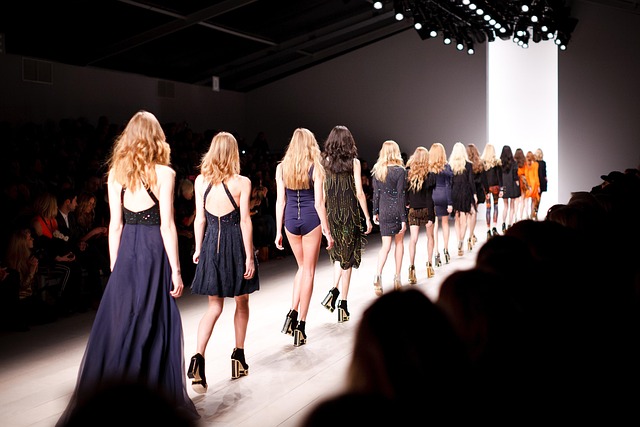
Take a look at how these trends are playing out on the runway in our connected feature: Major Fashion Event Highlights.
What Retail is Saying
Retailers aren’t waiting to react they’re forecasting drops like military ops and tightening inventory to weaponize scarcity. With collabs, there’s little margin for overstock. Most capsule collections today are purposefully lean, engineered to sell out fast and spike demand. That strategy fuels a constant cycle of hype and resale, where sold out pieces find second life at double the price.
But here’s the catch: many of these collabs aren’t about making money from units sold directly. They’re marketing fuel. A brand x celebrity collab that sells out in 20 minutes makes headlines, drives foot traffic, and boosts full line exposure weeks after the last collab tee disappears from shelves. Retailers are in on the game they’re planning around the press impact as much as the products themselves.
In this world, sell through equals status. And for retailers, the magic is less about margin per piece and more about momentum.
Most Anticipated Launches This Season
The fashion world isn’t easing up this year some of the biggest and boldest collabs are already locked in. Pharrell Williams and Tiffany & Co. are finally rolling out pieces teased last year, with launch windows pegged for late spring. Then there’s JW Anderson teaming up with UNIQLO again, a minimalist meets utilitarian collection that’s already generating buzz for its clean cuts and low key price point.
One theme tying many of these launches together: cross border creativity. Miu Miu’s upcoming capsule with Korean designer Minju Kim will fuse high glam tailoring with playful silhouettes a direct nod to rising Asian influence on European fashion houses. Meanwhile, Nike is making waves not with athletes, but with South African artist Karabo Poppy, pushing sneaker aesthetics into new cultural territory.
Let’s not skip the fast fashion giants Zara and H&M are doubling down on credibility. Zara’s pairing with emerging Nigerian label Orange Culture brings gender fluid streetwear into global spotlight. H&M, never out of the collab headline race, is taking cues from art this time, planning a surrealist inspired line with the Dalí Foundation by fall.
These launches matter because they’re less about gimmicks and more about distinct points of view. The right mashup can redefine style narratives and creators, influencers, and brands are watching closely.
For an in depth rundown of intersecting fashion and cultural moments, check out Major Fashion Event Highlights.
What This Means for The Industry
When two powerhouse names drop a collection together, it doesn’t just trend it shifts the pulse of what consumers want. These collaborations are no longer just product drops; they’re synced media events that set the tone for colors, cuts, and even cultural conversations. If a limited edition jacket from a celeb designer collab sells out in ten minutes, you can bet similar silhouettes land in fast fashion catalogs the week after.
The ripple effect? Smaller brands feel the squeeze. Keeping up means reacting faster, finding sharper angles, and sometimes betting the whole quarter’s margin on a niche collab of their own. For indie labels, it’s both a challenge and an opportunity. Some tap into hyperlocal stories or underground aesthetics to ride the wave without getting swallowed by it.
Looking ahead to 2025, expect more function forward partnerships (think wearable tech, upcycled capsules, and collabs built around lifestyle utility). Legacy brands will dig into their archives nostalgia still hits and the line between fashion, art, and activism will blur further. The direction is clear: if a collab doesn’t spark a reaction, it won’t land. In this climate, safe is forgettable.
 Fashion Trends Editor