Where It All Started
Before streetwear became a billion dollar industry, it was raw, rebellious, and rooted in counterculture. In the 1980s, the movement took shape in the streets specifically in the skate parks of Southern California, the breakdance circles of New York, and among surfers chasing waves and independence. These were scenes that didn’t just reject the mainstream they ignored it altogether.
Style came from necessity and identity. Kids repurposed military jackets, customized their own tees, and rocked gear that reflected the lives they lived not what a magazine told them to wear. It was DIY and defiant. Skateboarders needed clothes that survived wipeouts. Hip hop crews were building a look as distinctive as their beats. It wasn’t fashion. It was function with flair.
Then came brands like Stüssy and Supreme. They weren’t just selling clothes they were selling subculture. Stüssy rode the surf and skate line with its cryptic handstyle logo, while Supreme carved itself into NYC’s underground with limited releases and no frills stores. These early players didn’t just tap into a vibe they actively shaped one. That foundation still holds up, even as the scene evolves.
Streetwear’s Cultural Crossover
Streetwear didn’t stay underground for long. As style, music, and sports collided in the 1990s and early 2000s, streetwear began to permeate nearly every corner of pop culture. No longer just for skateboarders and hip hop artists, it became a visual language of cool that transcended labels and location.
Style in the Spotlight
Streetwear gained widespread visibility thanks to its constant presence in popular media:
Music videos became fashion runways, showcasing iconic pieces from hoodies to exclusive sneakers.
Art circles embraced streetwear’s raw, rebellious edge, helping it bleed into galleries and design studios.
Sports arenas, especially basketball courts, became platforms for performance and fashion alike, with athletes turning brand influencers.
Hip Hop and Sneaker Culture’s Influence
The expansion of streetwear was closely tied to the explosion of hip hop, which acted as both trendsetter and tastemaker for a generation.
Artists like Run DMC, Tupac, and later Kanye West helped define streetwear as a symbol of identity and autonomy.
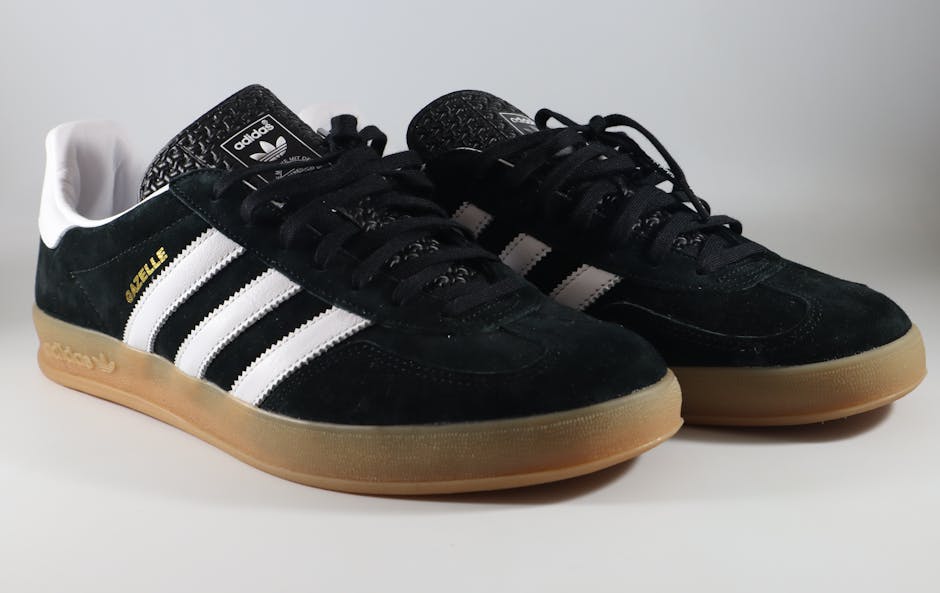
Sneaker culture particularly around limited edition Nike, Adidas, and Jordan releases fueled exclusivity and community.
This era formed the bridge between consumer fashion and cultural commentary.
From the Streets to the Everyday
What started as subcultural fashion slowly transformed into everyday wear without losing its rebellious core:
Streetwear became a way to signal individuality, attitude, and allegiance to subcultures.
Casual silhouettes hoodies, graphic tees, oversized fits grew into essential wardrobe staples.
Its core message stayed: clothing isn’t just what you wear it can be what you stand for.
From Limited Drops to Global Demand
Scarcity isn’t a flaw of streetwear it’s the engine. Brands figured out early that dropping limited quantities creates urgency, and urgency creates demand. When people know they have a matter of minutes or seconds to grab something before it’s gone, they show up, they compete, and they hype it up.
This turned lineups into rituals. Think Supreme Thursday drops with overnight lines stretching for blocks. Or sneakerheads camping out for Jordans in the dead of winter. Scarcity became spectacle. Eventually, reselling became part of the game too another layer that drove hype and turned t shirts into assets.
The psychology of FOMO (fear of missing out) became a leveraged marketing tool. And with every new season, collection, or collab, exclusive drops fueled a new wave of social chatter and instant sellouts. It’s not just about the clothes it’s about being in the know, being first, being seen. That’s modern fashion hype marketing: part supply chain, part community buzz, all adrenaline.
Big Names, Bigger Industry
Streetwear didn’t just hit the mainstream; it ran straight onto the runway. The turning point? High fashion reaching back. When Louis Vuitton teamed up with Supreme in 2017, skeptics called it a gimmick. But it lit the match. Today, partnerships like Dior × Air Jordan or Gucci × The North Face don’t feel like marketing stunts they’re business as usual.
Luxury brands once distanced themselves from the street. Now, they’re reshaping their collections around it. The irony? What started as rebellion against exclusivity is now shaping the very heart of elite fashion. Runways are loaded with graphic hoodies, co branded sneakers, and utilitarian pieces styled for photo ops and front rows alike.
Then there’s the red carpet. Celebrities step out in custom streetwear fits no longer casual, but couture. Retail is shifting too. You’ll see Off White, Fear of God, and even niche streetwear capsules next to tailored jackets at high end boutiques. Streetwear’s presence in luxury isn’t a trend. It’s the new baseline.
New Faces of the Movement
Streetwear isn’t just evolving it’s being reprogrammed. Gen Z is steering the culture away from flex heavy hype and toward values that hit deeper: sustainability, inclusivity, and true self expression. Fast fashion is losing ground while upcycled fits and ethical sourcing are gaining status. The message is clear style matters, but so does the story behind it.
That shift has cracked open the scene for independent labels from all over the world. Regional voices are shaping global taste, with brands out of Lagos, Seoul, and Berlin pulling just as much weight as legacy names out of LA or Tokyo. These up and comers are focused less on hype drops and more on community, purpose, and creative control.
If you’re looking to see who’s making moves right now, check the trending streetwear brands. The new wave isn’t waiting for permission.
What Streetwear Looks Like Today
Streetwear in 2024 doesn’t just live in graphic tees and box fresh sneakers anymore. It’s evolved. Technical fabrics, functional silhouettes, and rugged workwear have broken into everyday outfits. Utility vests, weatherproof cargos, steel toe boots pieces built for labor or sport now turn heads on city streets. There’s androgyny in the air, too. Gender lines are softer, blurrier. Oversized fits, clean cuts, and minimal color palettes dominate, and expression trumps old school rules.
Social media is both mirror and driver. Instagram, TikTok, and YouTube collapsed the fashion funnel. Trends now spark in real time from a thrifted outfit post to a casual fit check in a dorm room. Aesthetics circulate faster than brands can react, and creators aren’t just following trends they’re setting them. Discovery happens in scrolls, not shopping malls.
The net effect? Pure democratization. You don’t need a stylist or stack of cash to vibe with modern streetwear. Influence comes from tone, consistency, and attitude same as always. But now, someone in Detroit or Dakar can influence tomorrow’s looks as easily as someone in SoHo. Streetwear’s still rooted in the people it’s just got a louder mic now.
Where It Goes From Here
Streetwear is standing at a crossroads. It’s no longer just an underground movement it’s a billion dollar industry with mainstream exposure and global clout. But with that growth comes the risk of dilution. When everything is hyped, nothing feels real.
The future of streetwear lies in how it holds on to authenticity. That means fewer soulless collabs and more creators using fashion to say something personal. Streetwear should be self expression, not a marketing strategy. It’s not about wearing a logo it’s about what that logo represents to you.
Some of the freshest voices in the space are already pushing back against the gloss. They’re blending sustainability, identity, and storytelling into every release. Less flash, more substance. And it resonates.
The brands worth watching right now aren’t building just clothes they’re building meaning. For a deeper look at who’s leading with realness, check out these trending streetwear brands.
 Fashion Trends Editor