What Fashion Week Really Signals Today
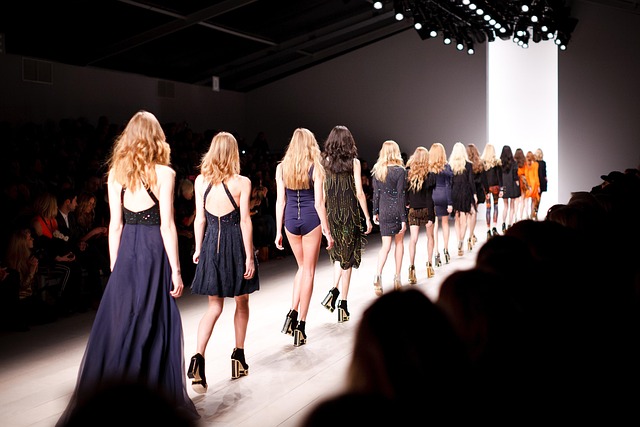
Fashion Week has evolved far beyond exclusive runway shows and afterparties. In the post digital era, its function and influence continue to shift, redefining how trends are born, communicated, and adopted globally.
Rethinking Fashion Week’s Role
Once the primary stage for designers to showcase next season collections to media and buyers, Fashion Week has now become a multidimensional platform. Today, it’s as much about brand storytelling and global digital engagement as it is about clothing.
Key changes in its role include:
From exclusive to accessible: Shows are live streamed and clipped for global audiences.
Content over couture: Collections are created with social media moments in mind.
Data driven appeal: Designers respond to real time analytics and audience feedback.
Street Style vs. Runway: Where Do Trends Really Start?
While runway shows still set the tone for the upcoming seasons, many of today’s most viral trends are sparked outside the venue doors.
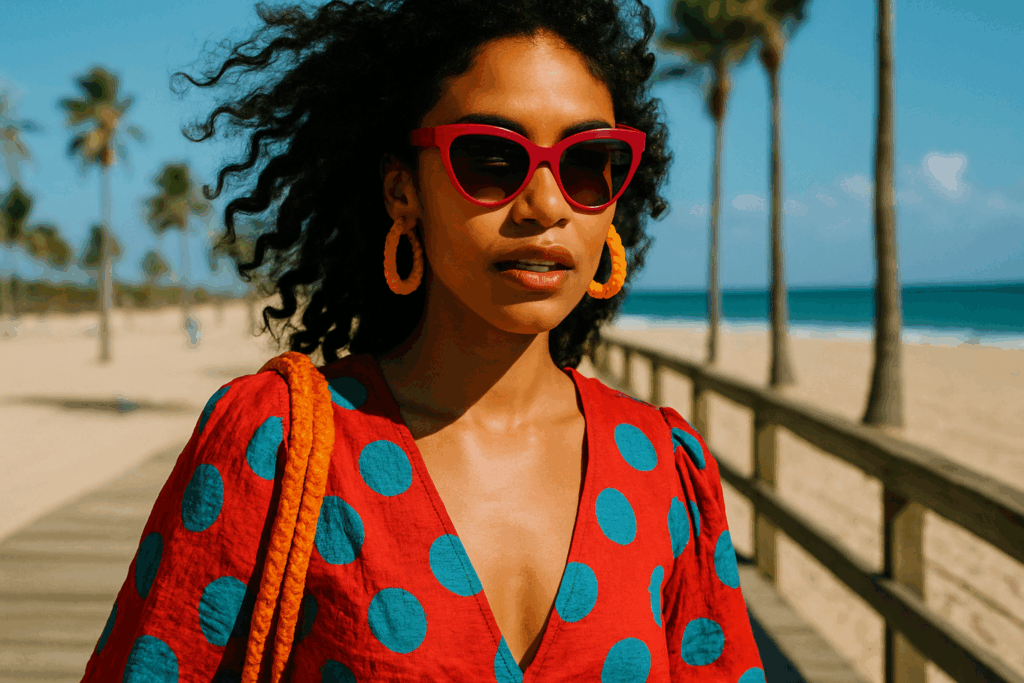
Street style has become a crowd sourced runway.
Influencers push experimental looks that often outpace traditional designers.
Real world fashion is driving commercial and editorial relevance.
Rising Focus on Values: Inclusivity, Sustainability, Innovation
Beyond aesthetics, Fashion Week is also serving as a mirror of shifting industry values. Brands are under increasing pressure to walk the talk.
Notable shifts include:
Inclusivity: More diverse casting and authentic representation across racial, size, gender, and age dimensions.
Sustainability: A push for ethical production methods, recycled materials, and transparency.
Innovation: From AI assisted creation tools to biodegradable fabrics, design itself is getting smarter and greener.
For a deeper context on the evolution of Fashion Week globally, read the foundational guide: Fashion Weeks Explained.
New Faces, Shifting Power
The fashion world used to be a tight circle. Legacy maisons Chanel, Dior, Givenchy owned the calendars, the headlines, and the front rows. But that grip is loosening. A new wave of designers is moving in, unapologetically rewriting the rules. They’re not playing to the old gatekeepers they’re building their own playbooks, their own audiences, and, sometimes, their own platforms.
Independent labels are pushing past aesthetics to offer perspective. Think Bianca Saunders blending masculinity and intimacy. Or Ibrahim Kamara turning history and diaspora into narrative. These aren’t collections they’re statements. And they’re landing. Buyers are paying attention. So are editors. So are younger consumers who demand more than just pretty clothes.
Diversity isn’t a footnote it’s the new foundation. From casting to creative direction to ownership, fashion weeks are finally starting to reflect a broader spectrum of voices and stories. And when every runway starts to look the same, it’s the different one that turns heads. In 2024, it’s less about polish, and more about point of view.
Editions are getting smaller. Audiences are getting sharper. But impact? That’s growing. The power center is shifting and it’s not moving back.
Digital First: The New Runway Format

Fashion Week in 2024 isn’t confined to physical catwalks. The traditional format has evolved into an omnichannel experience that blends physical artistry with digital innovation. Designers and houses are finding new ways to connect with both industry insiders and global fans in real time.
Hybrid is the Norm
Fashion shows today are rarely one dimensional. Brands are integrating multiple layers of media and access to expand their reach and deepen impact.
Livestreamed Shows: Most major runways are now broadcast in real time to global audiences.
Digital Lookbooks: Designers release curated digital visuals that can be browsed, shared, and shopped immediately.
Immersive Experiences: From VR enhanced viewing rooms to AR try ons, tech is making Fashion Week more interactive than ever.
Personalization Through Tech
Technology isn’t just enhancing access it’s also tailoring how viewers experience events. Brands are leveraging data and interactivity to target specific audiences:
Customized invites to digital backstage tours
AI recommended looks based on browsing behavior
Interactive elements, like voting on color variants or styling choices
These tools create a two way dialogue, transforming spectators into participants.
Social Media’s Power Surge
Social platforms now serve as Fashion Week’s front row and sometimes its critique panel. From Twitter threads to Instagram polls, the industry’s biggest moments are instantly broadcast, debated, and amplified.
Real Time Validation: Viral posts can elevate a collection before critics publish their reviews
Instant Backlash: Brands must be ready for near immediate feedback, both good and bad
Trend Acceleration: Memes, remixes, and snippets drive weeks’ worth of buzz in hours
Want to Dive Deeper?
For foundational insights into how Fashion Week came to this digital crossroads, check out fashion weeks explained.
Macro Trends Worth Watching
The conversation around climate conscious fashion isn’t just noise anymore it’s carving out real space on the runway. More major labels are scrapping synthetic heavy fabrics and cutting down on overproduction, embracing smaller batch collections and biodegradable materials. It’s not just about playing nice with the planet; it’s about appealing to a generation that won’t buy without a story and sustainability is a strong one.
Meanwhile, gender fluid design has moved past the novelty stage. Silhouettes, fabrics, and collections are increasingly decoupled from the old binary lens. It’s becoming less about making a point and more about meeting people where they are fluid, diverse, and not looking for clothes in a box labeled one size or one gender fits all. Big brands are finally catching up to what indie labels have been doing for years.
As for AI, it’s moved from speculative concept to everyday tool. Designers are now using AI to spot macro trends, forecast color palettes, and even suggest garment structures before a single sketch is drawn. But the real kicker? AI driven styling platforms are starting to shape how collections get packaged and presented, aligning aesthetics with data driven insights. The human eye still matters, but now it’s partnered with machine efficiency. Fashion’s creative process just got a second brain.
Where It’s All Headed
More Than Just a Moment in the Spotlight
Fashion weeks have evolved beyond being exclusive press events. Today, they double as powerful brand building platforms, allowing labels established and emerging alike to tell a broader story across digital and physical channels.
Collections are now built with storytelling and brand identity in mind
Shows act as immersive brand experiences, not just clothes displays
Direct to consumer messaging often begins with the runway show itself
A Glimpse Into Fashion’s Next Chapter
This year’s Fashion Week season reflected broader transformations within the fashion industry. From the types of collections shown to the methods of presentation, the focus is shifting in clear, strategic ways:
Sustainability and authenticity are moving from marketing buzzwords to baseline expectations
Cultural influences are being celebrated rather than appropriated
Technology is becoming embedded in both design and display, from generative fashion to augmented reality product reveals
What Industry Players Should Be Watching
The road ahead calls for agility, authenticity, and alignment with shifting consumer values. Here’s what different stakeholders need to keep top of mind:
For Designers
Build collections around a strong brand narrative
Balance creativity with cultural and environmental awareness
Embrace innovation in both material and messaging
For Buyers
Look beyond aesthetics evaluate how brands align with consumer demand for ethics, innovation, and transparency
Seek out indie designers creating buzz through nontraditional platforms
For Viewers & Consumers
Expect greater access through livestreams, social activations, and brand led content
Understand the influences shaping the clothes hitting your feed and shelves
Fashion Week is no longer just for the fashion elite. It has become a strategic lens into where the industry is headed more inclusive, more tech forward, and more connected to the world around it.
 Style & Culture Writer