Style Coverage in Real Time
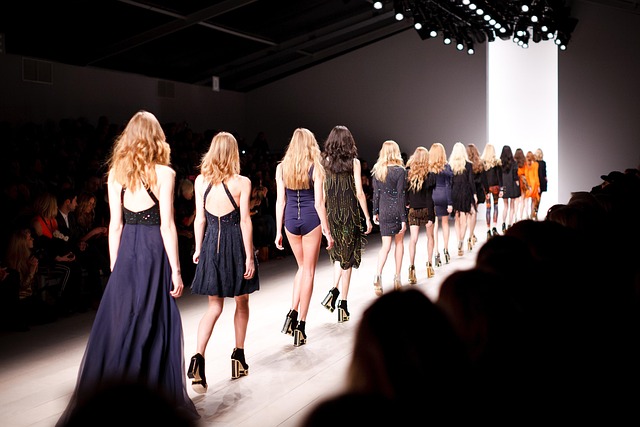
The old fashion calendar used to run on editor deadlines, polished lookbooks, and recaps that came weeks after the runway lights dimmed. That’s over. Today, a 15 second TikTok clip or a blurry Instagram Story can send a new silhouette or street style trend viral before the final model even walks offstage. The runway cycle didn’t just change it broke.
Social platforms have kicked down the door. No need to wait for magazine editors or traditional media recaps. Front row influencers, backstage assistants, and even attendees with good timing are pushing out content instantly, and it’s changing what gets noticed. Print reviews may still matter, but they’re no longer the first word. Or the loudest.
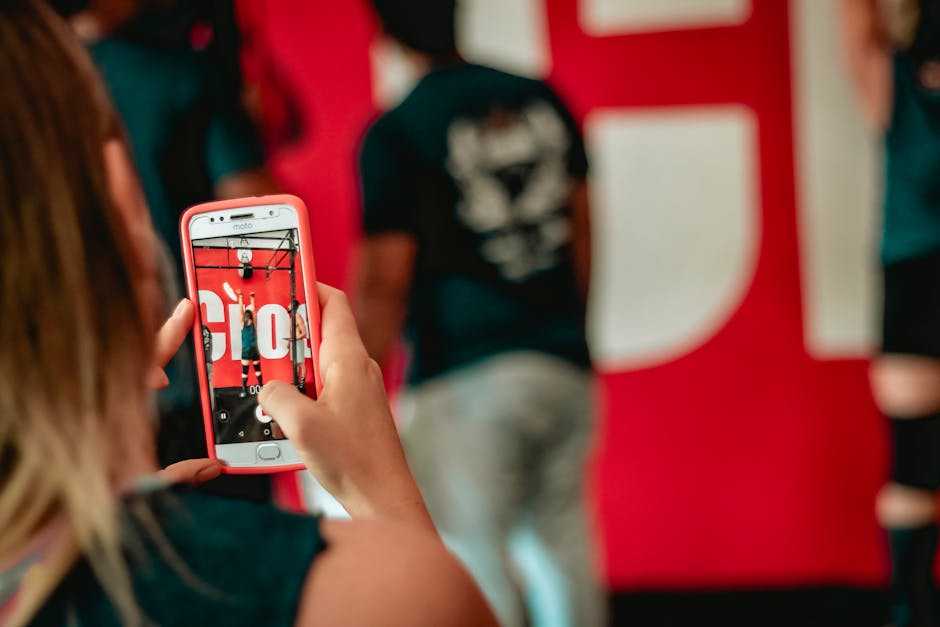
Street style and crowdsourced galleries are leading the charge too. One great fit, caught in motion on a smartphone, can define a season faster than a dozen ad campaigns. With social virality, the time gap between a show in Seoul and a trend showing up in Brooklyn is now measured in minutes, not months.
Global access is the new baseline. Whether you’re in Lagos, London, or Lima, if you’ve got a phone and Wi Fi, you’re sitting at the digital front row. And that changes who has power and what fashion even means on a global stage.
The Democratization of Fashion Voices
Fashion used to be a top down conversation. Editors made the calls, magazines set the tone, and everyone else followed suit literally. That system’s toast. Today, stylists with phones, fans with taste, and creators with loyal followings hold more cultural power than legacy glossies ever did. Social media didn’t just open the gates; it knocked the walls down.
Commentary now moves faster than editorial reviews. A TikTok haul or a stylist’s Instagram reel can define or destroy a trend within hours. Platforms reward immediacy, so narrative control has shifted to whoever’s posting in the moment and doing it well.
What’s more, global voices are stacking real weight. Lagos, Mumbai, and Santiago aren’t just watching the fashion capitals; they’re becoming them. Regional creators are influencing what style looks like worldwide, and brands are paying attention.
And then there are the micro influencers the 10K 50K crowd who pull serious engagement and trust from tight knit communities. They’re steering purchasing decisions, trend waves, and even designer collaborations. Vogue might still matter, but a trusted voice on your timeline probably matters more.
Data Driven Insights and Engagement
Fashion reporting is now powered by reactions, not just runway reviews. Shares, saves, and likes aren’t just vanity metrics they’re signals. Real time audience behavior helps platforms identify which trends are gaining traction, and the algorithms treat that data like gold. If a look racks up saves on Instagram or gets duetted on TikTok, it has a shot at dominating the feed.
This isn’t just happening on the surface. Algorithms are quietly optimizing what content gets priority depending on engagement velocity and cross platform resonance. That Seoul streetwear post that took off on Threads? It’s showing up in Reels suggestions an hour later. Fashion coverage has gone full circuit, connected by data and machine logic.
Behind the scenes, brands are watching closely. DMs, comment threads, and @mentions aren’t just noise they’re intel. One viral mention and marketing teams pivot. Instead of using formal panels or old school surveys, brands are mining social interaction to refine collections, recast campaigns, or drop new collabs.
Social listening has become the new focus group faster, cheaper, rawer. It gives brands and reporters something traditional workflows couldn’t: immediate feedback, unfiltered sentiment, and a pulse on what real people actually want to wear next.
Tech Meets Textile
As fashion embraces the digital era more than ever, technology is not just supporting the industry it’s redefining how style is reported, consumed, and experienced.
Augmented Reality & Fashion’s Virtual Touch
Fashion has stepped into a new dimension with augmented reality (AR) and virtual try ons. These innovations are moving beyond gimmicks to become key tools for engagement and accessibility.
Virtual try ons let users see garments on themselves via their phone’s camera reducing friction in purchase decisions
AR filters offer a new canvas for storytelling, allowing designers to share interactive, wearable looks on platforms like Instagram and Snapchat
Digital fashion collections are becoming common, particularly in the metaverse where exclusive, non physical garments are showcased and sold
Remote Fashion Coverage: No Front Row Necessary
You no longer need to be physically present at a show to deliver real time fashion coverage. Creators, journalists, and stylists now rely on tech tools that make remote reporting just as dynamic.
Digital styling sessions and virtual showrooms provide immersive ways to cover and interpret collections
Live streamed fashion weeks bring events from Paris to global audiences instantly
Content management platforms help journalists stitch together visual and narrative perspectives from afar
Editorial Meets E commerce
The line between editorial voice and commercial opportunity is blurring fast. Today, fashion coverage often includes direct links to shop looks as readers consume them.
Shoppable videos and posts let consumers buy runway styles or influencer outfits directly through social media
Integrated commerce features on platforms like Instagram and TikTok make it easier to monetize fashion content
Data driven product placement ensures that content isn’t just inspirational it converts
For a deeper dive into this intersection of fashion and tech, explore this guide.
Challenges of the New Fashion Ecosystem
The intersection of speed, scale, and digital influence creates new challenges in fashion reporting. As content floods timelines by the second, quality and credibility are harder to maintain, and the industry’s ethical lines are increasingly blurred.
Oversaturation and Aesthetic Fatigue
Staying on trend has never been more chaotic. What goes viral today may feel overdone by next week.
The relentless pace of digital fashion cycles accelerates burnout for creators and audiences alike
Visual repetition and recycled aesthetics can dilute innovation
Constant exposure reduces the impact of unique styling moments
The Accuracy Dilemma in a Viral World
The pressure to post quickly often comes at the expense of fact checking and responsible reporting.
Real time coverage can lead to misquoting, misinformation, or flawed trend predictions
Lack of editorial oversight on creator led platforms poses risks to reliability
Once false info spreads, retractions rarely reach the same audience
Monetization vs. Journalism
As creators and outlets seek to fund their work, the line between independent reporting and paid promotion is harder to define.
Sponsored content is often indistinguishable from authentic journalism
Financial pressure can influence trend coverage and product endorsements
Transparency remains inconsistent across influencer and brand relationships
Ethics in Influencer Driven Storytelling
Creators now shape the narrative as much as traditional outlets sometimes more. But accountability hasn’t caught up.
Influencers may lack training in media ethics or disclosure practices
Reporting with a specific aesthetic or brand alliance can skew objectivity
Audiences are demanding more clarity around intent, sourcing, and sponsorship
To maintain integrity in this new ecosystem, the fashion world will need to balance speed with substance and storytelling with responsibility.
Where It’s All Going
Fashion journalism isn’t just reporting trends anymore it’s becoming part of the engine that drives them. Creators aren’t waiting for runway recaps or magazine think pieces. They’re out there, testing styles on camera, building outfits in real time, and getting immediate feedback from their audiences. It’s a loop: audience reactions shape the next drop, the next collab, the next headline.
What’s changing fast is the level of interaction. Comments aren’t background noise they’re signals. Communities aren’t passive they’re co creators. The lines between the journalist, the brand, and the audience are thinner than ever. Platforms like TikTok, Instagram, and YouTube aren’t just showcasing what’s fashionable; they’re influencing design decisions and press cycles.
In this era, the most agile voices often not traditional journalists are leading the shift. Fashion is being documented, worn, challenged, and redefined all in one feed. For a broader take on how tech is entwining with fashion at every level, check out technology and fashion.
 Founder & Creative Director