You’ve seen the reel.
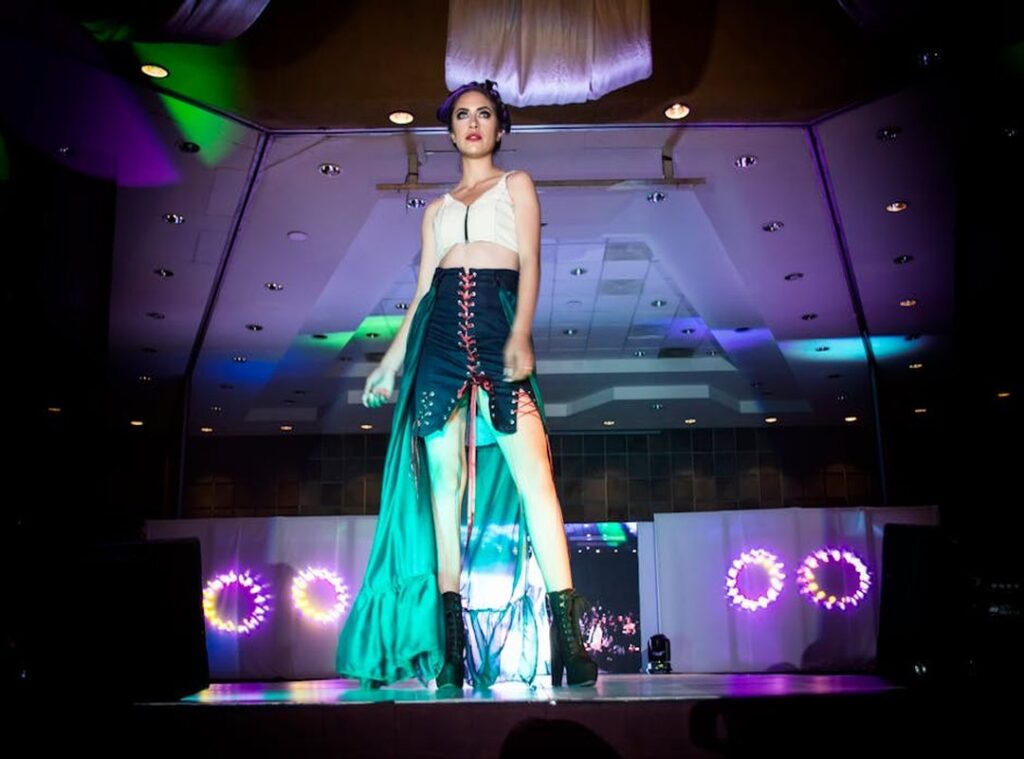
That perfect 15-second clip of models gliding under golden light, hair flawless, music swelling, captioned “Fashion Week magic.”
It’s not real.
I’ve stood backstage at 32 shows across five continents. Warehouses in Bogotá. AR-only debuts in Seoul.
Runways blocked by climate protesters in Berlin. None of it looked like that reel.
This isn’t about hemlines or fabric swatches.
It’s about why fashion shows feel increasingly unstable. Why designers are ditching tents for TikTok livestreams. Why audiences now demand ethics statements before seating charts.
Why Fashion Shows Are Weird Lwspeakfashion (that) hashtag isn’t irony. It’s documentation.
I watched a show where the audience voted live on which look got cut from production. Another where no physical garments existed at all.
No celebrity recaps here. No fluff. Just what’s actually changing.
Fast — and how people are adapting.
You’re tired of surface-level coverage.
So am I.
This article names the shifts nobody’s summarizing: tech integrations that backfire, audience power moves that stick, ethical pivots that aren’t PR stunts.
You’ll walk away knowing exactly what #Lwspeakfashion means (not) as a trend, but as a warning label.
Shows Without Seating: When the Crowd Moves the Show
this resource nails it. This is why Fashion Shows Are Weird Lwspeakfashion.
I watched Martine Rose’s 2023 London show. No chairs. Just floor tiles with QR codes.
Step on one? You got a lookbook page. Step wrong?
Nothing. It wasn’t magic. It was behavioral data collection.
Pyer Moss did something similar (motion) sensors triggered soundscapes as people walked past mannequins. No front row. No back row.
Just bodies moving, reacting, triggering.
That’s the point. Fixed seating creates hierarchy. Roaming zones erase it.
You’re not watching. You’re participating. Whether you like it or not.
And yes. Influencers can’t just sit and pose anymore. Their “interpretation” gets diluted when every guest unlocks content by walking.
That erodes their gatekeeper role fast.
But here’s what nobody talks about enough: not everyone can walk on command.
Some people use walkers. Some avoid flashing lights. Some just hate being tracked.
I saw a brand offer “quiet mode” at their next show. Reserved low-sensory zones, pre-loaded digital lookbooks, no stepping required.
Good call. Accessibility isn’t an add-on. It’s the baseline.
Would you step on a tile if you knew it logged your path?
What if it changed the music behind you?
Most people don’t ask that question until they’re already inside the zone.
And that’s exactly how the designers want it.
No Models, No Problem: Avatars, Mannequins, and Live Video
I watched a runway show last month where no human stepped on stage.
Not one.
Just AI-rendered avatars, built from 3D body scans of 127 people across six continents. They moved like dancers (not) stiff, not robotic (because) the motion capture wasn’t faked. It was trained on real movement data.
Then there were the kinetic mannequins. Fabric sensors in their sleeves reacted to light and heat. When the lights shifted, the sleeves breathed.
You felt it before you saw it. (Turns out fabric can be expressive if you stop treating it like decoration.)
And live generative video feeds? I saw a coat morph mid-walk. Wool to silk to mesh.
All rendered in real time as the model (yes, a human) walked past a camera rig. No green screen. No retakes.
27% of SS24 digital-first shows used at least one avatar-based segment. That’s not niche anymore. That’s infrastructure.
Why Fashion Shows Are Weird Lwspeakfashion? Because we’re cutting travel, fittings, and 50+ duplicate garments just for rehearsal.
Critics say it kills emotion. I get that. But some shows now pair avatars with live voiceovers (recorded) by the garment workers who stitched the pieces.
Their voices anchor the tech.
I wrote more about this in Why fashion is important lwspeakfashion.
“We’re not replacing people (we’re) replacing repetition,” said the Collina Strada SS24 creative director.
That line stuck with me.
Repetition is exhausting. It’s wasteful. And it’s optional now.
The Unscripted Backstage: When Shows Edit Themselves
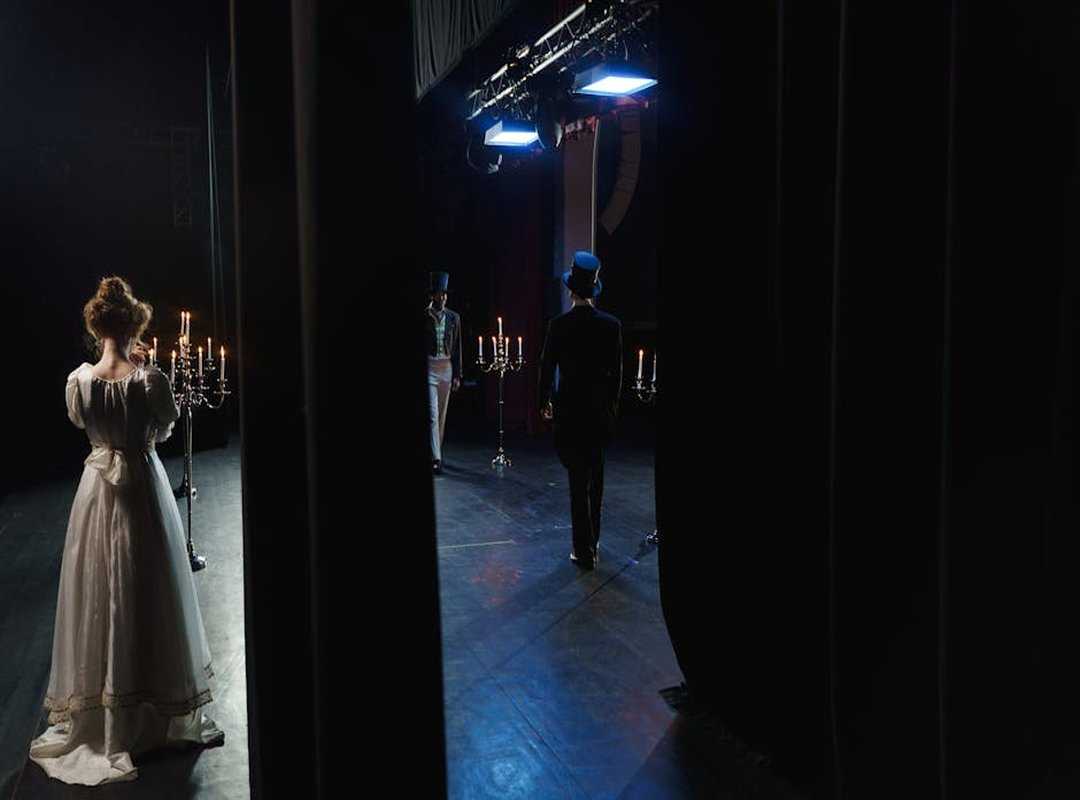
I watched a fashion show where the model paused mid-strut (because) the editor just cut in a new close-up and projected it onto the wall behind her.
That’s not rehearsal. That’s live editing.
Backstage cameras feed raw footage straight to editors who cut, color, and project edits onto runway walls during the show. Not after. Not for Instagram later.
Right then.
Charles Jeffrey LOVERBOY did it last season. Saw TikTok blow up over one look at minute 4:12. They extended that segment by 90 seconds.
No script change. Just real-time response.
Nensi Dojaka pulled a similar move (swapped) music cues when live sentiment spiked on audio texture, not visuals. (Turns out people cared more about the bassline than the hemline.)
This needs serious infrastructure. Low-latency streaming rigs. Editors with pre-built templates.
Not blank timelines. And guardrails. Because “real-time stress testing” sounds like exploitation dressed as innovation.
Audiences get timestamped version-history links after the show. You can scroll through how the narrative bent, broke, and rebuilt itself.
Which brings me to the messy part.
One show lost its stream at minute 7. Projectors went dark. Raw backstage feeds leaked onto the main wall (unfiltered,) unedited, real.
The brand didn’t apologize. They leaned in. Called it “the first honest 12 minutes of fashion.”
It worked.
Because authenticity isn’t polished. It’s glitches, pauses, and decisions made under pressure.
Why fashion is important lwspeakfashion doesn’t cover this chaos. But maybe it should.
Why Fashion Shows Are Weird Lwspeakfashion? Yeah. That’s the point.
Why Fashion Week Feels Like a Broken Clock
I stopped going to NYFW shows in 2022. Not because I got bored. Because the timing made zero sense.
Some brands agree. Telfar skipped it entirely in 2023. Sales jumped +38% year over year.
Vaquera bailed in 2024. Up +22%.
They’re not waiting for February or September. They’re dropping pieces when it makes sense:
- Rain hits Tokyo → new trench coat drops
- Lunar cycle shifts → micro-release of silk scarves
- Discord community votes → debut date locked in
- Sale starts → teasers ramp up (yes, really)
Wholesale lead times shrink. Markdown pressure vanishes. Gen Z buys now, not six months from now.
Who’s watching? Not influencers scrolling Reels. It’s Discord mods hosting live fabric Q&As.
Local radio hosts playing runway audio as ambient background. Textile archivists unpacking vintage patterns on Twitch.
Engagement depth? Triple the Instagram story swipe rate. Reach?
Smaller. But real.
Buyers are pushing back though. They want physical samples before digital reveals. So now we get hybrid timelines.
Messy, but honest.
Why Fashion Shows Are Weird Lwspeakfashion? Yeah. That’s the point.
You’ll find better rhythm in the Lwspeakfashion Styling Guide by Letwomenspeak.
Start Questioning the Show. Not Just the Clothes
I stopped watching fashion shows for clothes years ago.
They’re not catwalks anymore. They’re live R&D labs (testing) culture, tech, ethics (all) at once.
Why Fashion Shows Are Weird Lwspeakfashion isn’t a buzzword. It’s how you spot where power actually moves.
You already know something’s off. The pacing. The silence.
The way models stare past the front row like it’s empty.
That discomfort? It’s data.
So pick one upcoming show. Watch it twice. First time: track the garments.
Second time: ignore them completely. Watch the lighting crew. The crowd’s phones.
The protest signs outside. The edit cuts on stream.
Your next fashion insight won’t come from a front row (it’ll) come from the server room, the protest line, or the edit suite.
To navigate the unconventional landscape of modern fashion, consider exploring the Lwspeakfashion Styling Guide by Letwomenspeak for fresh perspectives.
Go watch. Then tell me what you saw around the clothes.
 Fashion Trends Editor