Why Ethical Fashion Is the Future
Fast fashion isn’t just cheap it’s costly in ways that don’t show up on the price tag. Behind the racks of $10 tops are overflowing landfills, polluted rivers, and supply chains built on underpaid, overworked labor. The fashion industry is one of the largest global polluters, second only to oil. Clothes are mass produced at breakneck speed, worn a handful of times, then tossed. Meanwhile, workers in low wage countries often earn barely enough to survive.
Ethical fashion turns that model on its head. These brands put people and the planet first. They pay fair wages. They use organic or recycled fabrics. They ditch toxic dyes in favor of low impact alternatives. Most importantly, they build transparency into every step of the process from fabric sourcing to stitching.
It’s a simple truth: what you buy matters. Choosing ethical brands doesn’t just mean better clothes it means endorsing a whole different way of thinking. Every purchase becomes a vote for fair labor, cleaner materials, and long term change in an industry overdue for a reckoning.
Criteria That Define an Ethical Brand
Not all ethical fashion labels are created equal. If you’re serious about supporting better practices, here’s what to look for and why it matters.
First, the materials. Certified sustainable fabrics like organic cotton, TENCEL™, and recycled synthetics cut down on waste and water use. Low impact dyes score even higher they avoid toxic runoff and reduce the environmental damage traditional dyeing causes.
Then there’s labor. Ethical brands commit to fair working conditions and living wages across the board, not just in select factories. It’s about treating garment workers like people, not disposable machines. Ask yourself: would you work under the same conditions used to make that shirt?
Traceability is another key feature. Ethical brands can tell you where every component comes from who grew the cotton, who sewed the seams, even where the zipper was made. This kind of radical transparency makes it harder to hide exploitation.
Packaging and carbon footprints are the new frontier. Recyclable mailers, compostable tags, carbon offset programs these aren’t gimmicks, they’re standards for brands that want to do better by the planet.
In short, ethical fashion is more than a feel good label. It’s proof that better choices exist, and they’re worth supporting.
People Tree has been a trailblazer in ethical fashion long before it was trending. They work directly with artisans and farmers in the Global South, producing timeless pieces rooted in fair trade. No fast trends. Just quality that lasts.
PATAGONIA walks the walk. Beyond recycled fabrics and repair programs, the brand invests in environmental activism. They’ve even gone so far as to give away their profits to help fight climate change. If you want gear that holds up and gives back, this is it.
Veja proves that sleek sneakers don’t require a mess behind the scenes. The French brand sources wild rubber straight from the Amazon, uses organic cotton, and operates with radical transparency, down to their factory choices in Brazil.
ABLE is serious about empowerment. Every item comes with a breakdown of costs materials, labor, markup so you see where your money goes. Their bigger goal? Creating jobs for women, especially in communities recovering from hardship.
Eileen Fisher serves up minimalist styles with maximum ethics. The brand owns its circular model, accepting worn items to refurbish or recycle. It’s calm, clean fashion that actually considers its full lifecycle.
Pact makes the kind of basics you wear every day and they do it right. Think organic cotton, carbon neutrality, and fair trade factory certifications. Simple doesn’t mean soulless.
Want more ethical brands that actually follow through? Check out this full sustainable brands list.
How to Spot Truly Ethical Brands
Not all green tags mean much. If you’re serious about supporting ethical fashion, you need to read past the slogans. Start with certifications. Labels like GOTS (Global Organic Textile Standard), Fair Trade Certified, and B Corp are tough to earn and even tougher to maintain. They prove a brand has met real environmental and social standards, not just painted a feel good message on recycled cardstock.
Next, get into the brand’s own words. Solid companies usually publish impact reports detailing where they source, how workers are treated, and what they’re doing to improve. Supply chain transparency isn’t just bonus content; it’s essential. If you can’t trace the journey from raw material to retail, that’s a red flag.
Finally, sharpen your greenwashing radar. Real ethical marketing is humble, specific, and backed by facts. Phrases like “sustainably made” or “eco friendly inspiration” without data are fluff. Trust brands that are willing to name their vendors, quantify their emissions, and admit where they still fall short. That’s what accountability looks like.
Making the Switch: Tips for a Sustainable Wardrobe
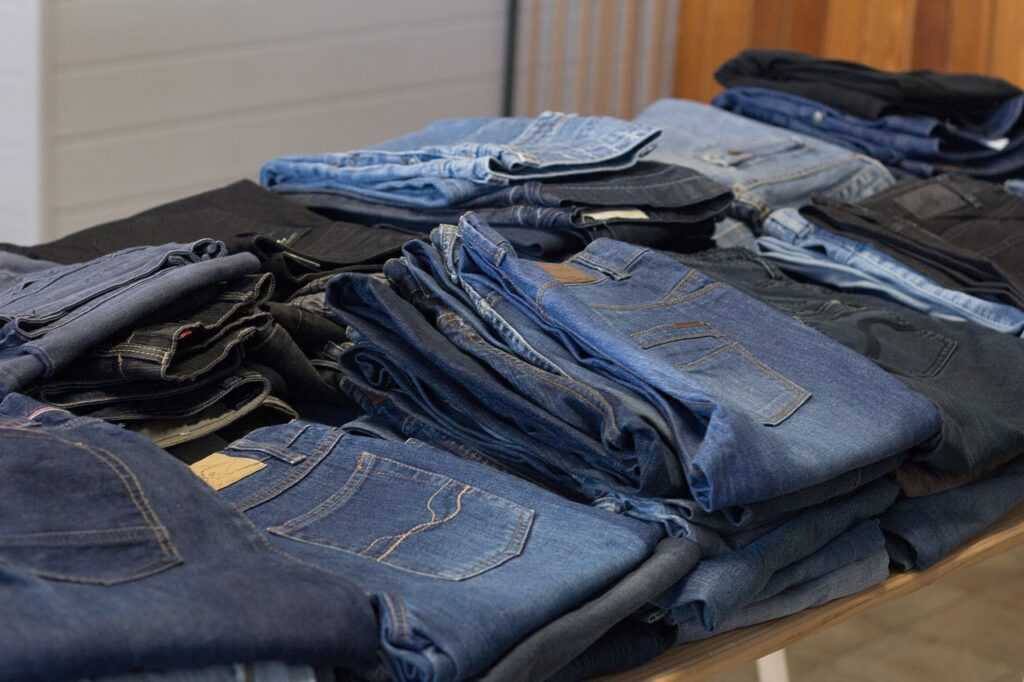
Building a sustainable wardrobe isn’t about a shopping spree at eco labels. It’s about slowing down and being intentional. Start with what you wear most staple pieces like jeans, plain tees, neutral layers. Focus on fit and durability. You’re not chasing trends here. You’re investing in clothes that outlast seasons.
The less is more mindset pays off. Buy fewer items, but make them count. Check quality. Learn how to care for your garments. Washing better and repairing when needed prolongs life and cuts waste.
Rethink how you acquire clothes. Thrift, swap with friends, or use resale platforms. It’s cheaper, and it keeps garments in circulation. When you do buy new, look past the branding. Read the label. Research the company. Choose brands that earn your trust by being transparent not just ones shouting “sustainable” from the rooftops.
Discover dozens more companies doing it right in our full sustainable brands list.
 Founder & Creative Director