Fast Fashion vs. Fast Algorithms
Fashion cycles used to follow a seasonal rhythm. Today, they follow your For You Page. One viral video can launch a micro trend before brands even get a chance to sketch a design. A single TikTok of a thrifted jacket or a GRWM featuring a niche aesthetic can have millions searching, clicking, and buying within hours. The lag between inspiration and production is shrinking fast.
Retailers are no longer leading style direction; they’re reacting to it. Algorithms track real time engagement, and that data feeds directly into supply chains. This has pushed stores, especially fast fashion giants, to become content driven fulfillment hubs. “See it, want it, buy it” isn’t just the consumer mindset it’s the entire business model. If you can’t pivot fast, someone else will. In 2024, trend cycles aren’t launched by magazines or runways. They’re sparked by swipeable seconds of content and the shelves follow.
Influencer Power Shaping Style
Creators aren’t just setting trends they’re deciding which ones get seen. In 2024, social platforms have replaced fashion magazines as the primary gatekeepers of style. Vloggers, stylists, and everyday users with a strong POV now influence what makes it into the mainstream not weeks later, but often overnight.
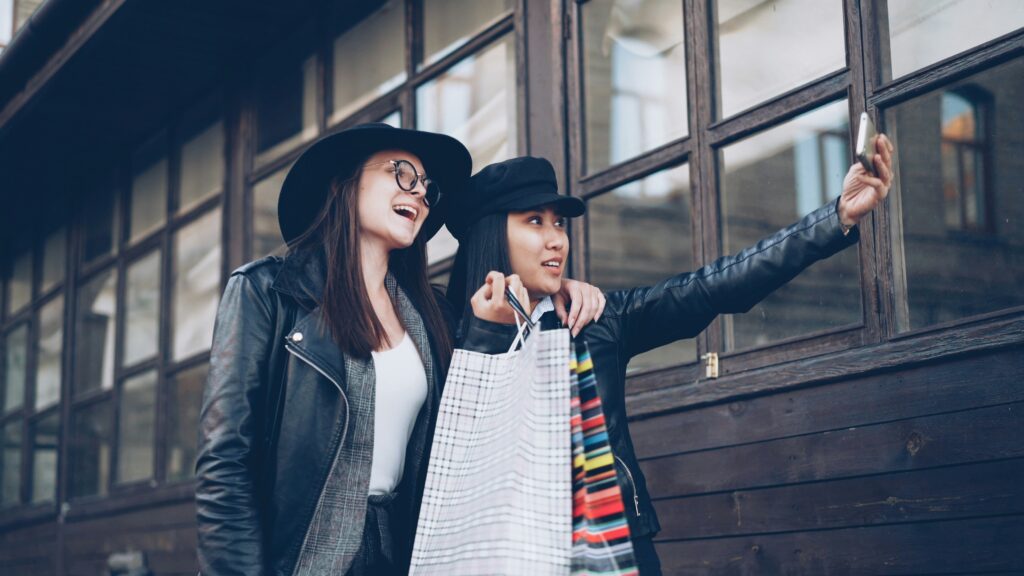
Street style has gone digital first. A single outfit of the day video shot on a sidewalk can spark a global buying frenzy. Trends aren’t starting in showrooms they’re launching in someone’s hallway or city block, then hitting millions of screens within hours. What used to take seasons now takes seconds.
And it’s not just broad trends like “baggy jeans” or “90s revival.” Hyper specific aesthetics think “granny core,” “Y2K corporate,” or “post apocalypse chic” are taking root across continents. One creator nails the vibe, someone else curates a mood board, and suddenly there’s an entire micro culture backing it. It’s fast, it’s niche, and it’s sticking… until the next wave.
The power has shifted, and creators who understand that are driving real influence. They’re not just modeling clothes they’re modeling taste, timing, and cultural direction.
Hashtag to Runway: Designers Reacting Faster
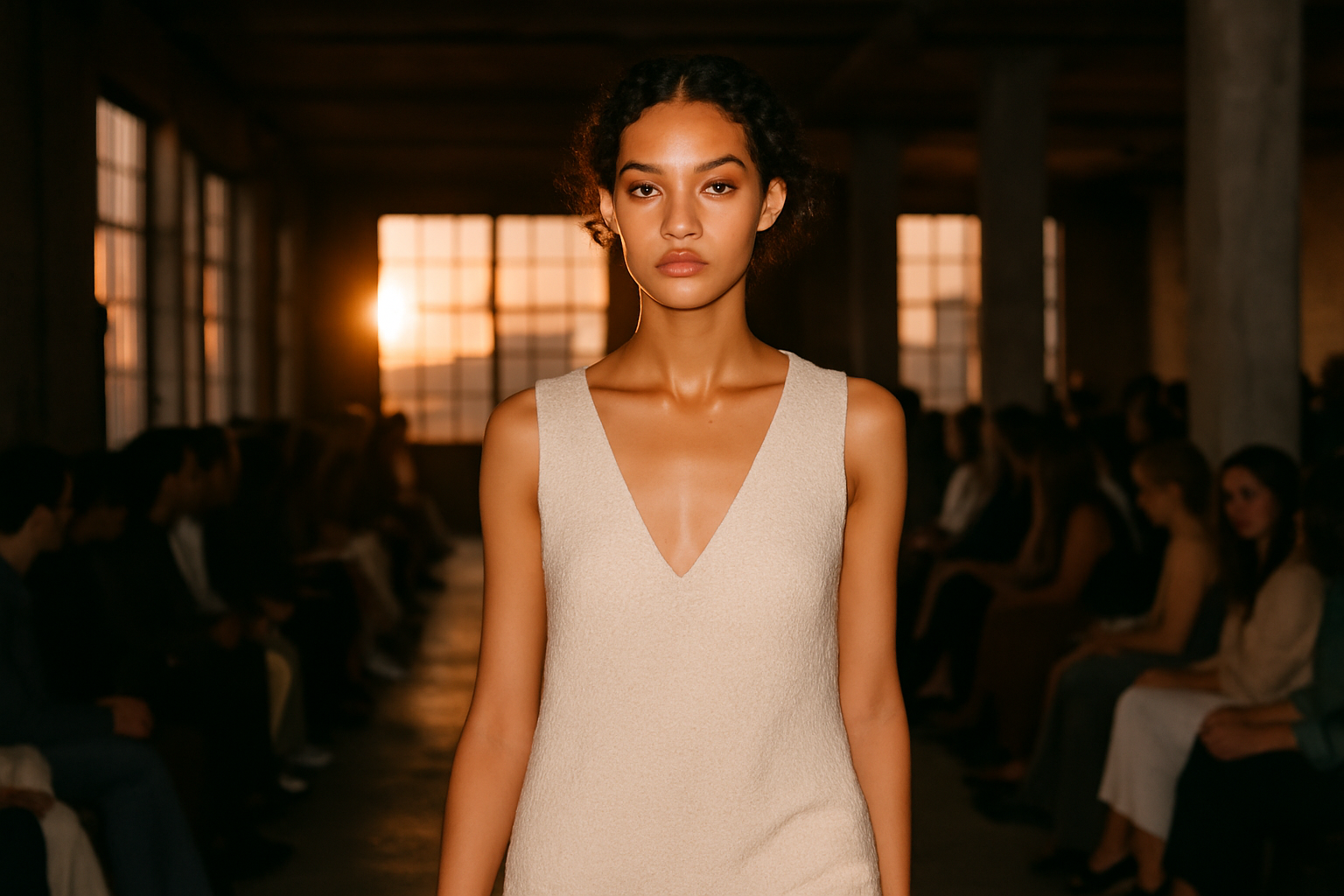
The line between internet culture and high fashion is getting thinner by the season. Fashion houses once notorious for being slow and tradition bound are now racing to meet the pace of online relevance. When a meme goes viral or a hashtag starts trending, brands aren’t waiting months to respond. They’re reacting in weeks or even days.
In 2024, meme inspired fashion is no longer a novelty; it’s strategy. Take Valentino’s capsule drop riffing on quiet luxury memes or Diesel’s line echoing the ironic Y2K core posts flooding Reels and TikTok. These are big names acting with small team agility and reaping the benefits.
Several fashion launches this year skipped traditional runways altogether. Balenciaga’s infamous Sims style lookbook? Purely digital. Smaller labels like Heaven by Marc Jacobs are designing pieces that go live for pre order with almost zero lead time, sparked by shoutouts from niche influencers. It’s fast fashion, but not in the old sweatshop sense it’s fast response, fast storytelling.
Designers aren’t just inspired by the internet they’re embedded in it. They’re watching what creators wear, what inside jokes are blowing up, and what comment section wars say about the mood. The best of them don’t just follow culture they remix it, package it, and sell it back before the trend dies.
Tech Meets Textiles Online
Technology is no longer a backroom feature in the fashion world it’s front and center, reshaping how we shop, design, and interact with style. In 2024, innovation isn’t just a bonus in fashion; it’s quickly becoming the rule.
AR Try Ons: Changing the Fitting Room
Augmented reality (AR) is revolutionizing how consumers try on products. What once required a trip to a store now happens instantly, using just a smartphone.
Virtual fitting rooms let shoppers see how items look on their body type before buying
Cosmetic and accessory brands use AR to simulate makeup shades, eyewear, and jewelry
Online retailers are improving conversion rates by reducing guesswork and returns
Virtual Fashion Week Booths
As fashion shows evolve, brands are using digital booths and interactive streams to match the expectations of a hyper connected audience.
Virtual runways offer access to global audiences in real time
Immersive brand experiences at online events make fashion weeks more accessible and data rich
Exclusive content launches through apps and closed platforms drive curiosity and engagement
AI Style Predictions: Fashion’s New Forecast
Artificial intelligence isn’t just a backend tool it’s shaping what ends up in your closet next season. From product recommendations to design forecasting, AI is taking the guesswork out of trend cycles.
Data driven design inspiration helps brands predict what colors, cuts, and moods will resonate
Machine learning analyses user behavior to optimize collections before they hit the shelves
Smart personalization tools curate product feeds tailored to each shopper’s taste
Read more: See how fashion and technology are converging to shape the industry’s future.
From Likes to Sales Strategy
Fashion brands aren’t just watching trends they’re tracking them down to the second. Algorithms now influence what gets made, when, and how much. Inventory isn’t a guess anymore. It’s a calculation. When a micro trend spikes on TikTok, brands that are plugged into real time data can pivot before the wave crashes. That means fewer racks of discounted leftovers and more of what people actually want when they want it.
Legacy labels are starting to act like startups. They’re using social listening tools, traffic analytics, and AI backed forecasts to adjust manufacturing orders, marketing pushes, and even SKU counts on the fly. Instead of traditional seasonal drops, they’re operating on demand cycles measured in hours, not months.
It all boils down to this: engagement signals intent. Immediacy drives action. Together, they’re making the old supply and demand model look outdated. In 2024, if you can’t convert interest into inventory fast, you’re already behind.
Looking Ahead
The front row isn’t what it used to be. It’s not velvet ropes and invites it’s vertical, 15 seconds long, and shot from an iPhone. Short form video is now fashion’s main stage. Creators on TikTok, Reels, and Shorts are replacing editors and critics. They don’t just cover the show; they are the show. Brands know it too. Instead of just dressing the elite few in the real front row, they’re crafting looks made to pop on screen and grip viewers fast.
As for the future, it’s not binary. It’s not physical or digital it’s both. Expect more hybrid fashion weeks where virtual collections drop alongside physical ones, and immersive experiences (think: AR fittings or meta runway invites) become standard. Accessibility is the new exclusivity.
If you want a sharper lens on this evolution, explore how fashion and technology are already reshaping the entire narrative. Spoiler: the world’s best dressed might soon be AI generated avatars and they’ll still be getting likes.
 Fashion Trends Editor