From Catwalks to Smartphones
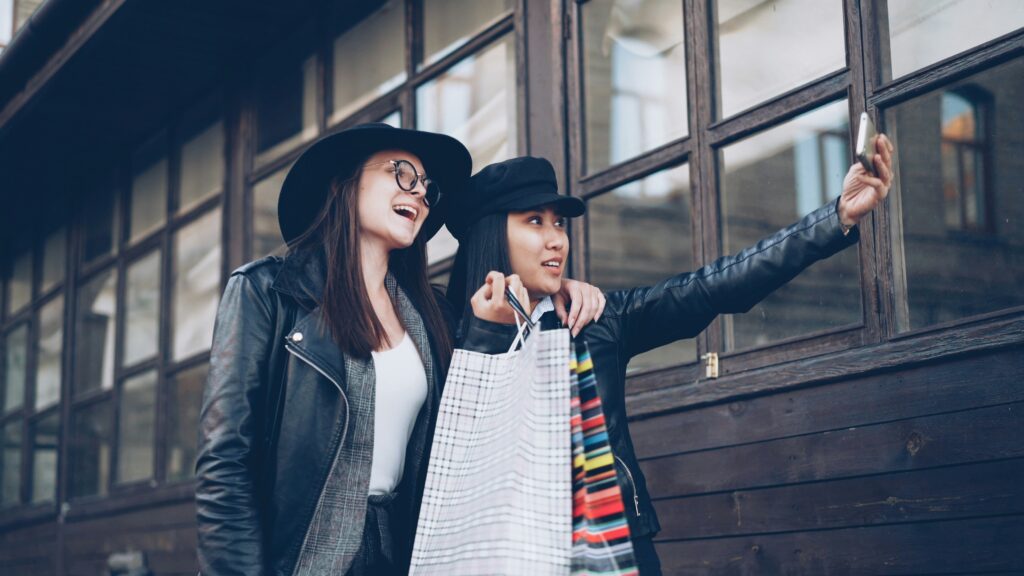
Not long ago, trend forecasts came from fashion weeks, glossy magazines, and legacy designers. It was a top down hierarchy where consumers waited to be told what was cool. Not anymore. Now, platforms like Instagram, TikTok, and Pinterest have turned users into tastemakers. Inspiration comes from who you follow, not who you read about.
This shift means street style isn’t just something snapped outside Paris Fashion Week it fuels global trends every day. DIY fits stitched in bedrooms go viral. A sneaker shot in bad lighting can generate more chatter than a full campaign. It’s not that the old guard is gone, but they’re no longer the only voice. Today, anyone with a phone and a point of view can spark what the world wears next.
Trend Acceleration in Real Time
Microtrends don’t crawl anymore they sprint. Hashtags and trending audio clips now function as the heartbeat of real time fashion. One viral sound can stamp an aesthetic across TikTok in a matter of hours. It’s not just about visuals; audio queues are setting moods, shaping aesthetics, and even defining subcultures.
Styles like “coastal grandma,” “blokecore,” and “balletcore” aren’t decided in boardrooms they’re created, remixed, and redefined by everyday users. These aesthetics come and go fast, but their rise is organic and global. One look can trend in Seoul, spread to Paris, and morph again in L.A. by the weekend.
Influencers aren’t just participating they’re curating. But they’re not alone. Users with a knack for style are joining the ranks, blurring the line between follower and tastemaker. The result: a fashion cycle that’s faster, looser, and more democratic than ever.
Regional Trends Go Global

Social media has permanently altered how fashion travels the world. Once bound by geography and culture, regional styles now leap continents with a single swipe.
No Longer Just Local: Global Aesthetics on Display
Styles that were once niche or confined within borders are now influencing wardrobes from Tokyo to Toronto.
Korean streetwear blends sleek silhouettes with bold graphic statements, seen in both casual fits and high fashion collabs.
African prints rich in color, heritage, and craftsmanship have become part of both mainstream and luxury collections.
Scandinavian minimalism stands out for its neutral tones and clean lines, embraced worldwide for its understated appeal.
Instant Access, Instant Influence
Thanks to platforms like TikTok, Instagram, and Pinterest, fashion inspiration is both rapid and borderless.
Users don’t have to wait for magazine drops or fashion week coverage they can browse or discover looks in real time.
Short form videos and curated moodboards introduce aesthetics to audiences that wouldn’t encounter them otherwise.
Algorithms Are the New Stylists
Whether you’re exploring a new trend or curating your personal style, algorithms do the heavy lifting.
They surface content tailored to user tastes, exposing audiences to global fashion ideas with ease.
As a result, visual borders are blurring your feed might show a mix of Seoul street style, South African accessories, and Copenhagen’s latest trends in the same scroll.
Bottom line: Regional isn’t regional anymore it’s global. Social media is the carrier, and the algorithm is the stylist, blending cultural aesthetics into an evolving, collective fashion consciousness.
Creator Economy’s Fashion Shake Up
The fashion industry is no longer a space ruled solely by glossy magazines, elite brands, and runway shows. In 2024, independent creators and digital first influencers are reshaping what style looks like and how it spreads.
New Faces of Fashion Influence
Creators are doing it all: designing, modeling, marketing, and distributing their collections straight to their audiences. With an authentic voice and direct platform access, they don’t need traditional gatekeepers to get noticed.
Designers and stylists are skipping big retailers and building brands on TikTok and Instagram
Creators often have stronger brand loyalty than established fashion houses
Direct to consumer models allow creative control and higher profit margins
Viral Design = Real World Demand
It takes just one viral post for an unknown designer to build a global waitlist. Whether it’s a unique cut, buzzy color palette, or reimagined vintage item, exposure on social media turns ideas into must haves instantly.
Moments of virality can skyrocket unknown talent into fashion fame
“Drop culture” and limited releases add to the hype and exclusivity
Consumer feedback loops are faster and more public than ever
Trust Over Tradition
Influencers often have a personal relationship with their communities, making their recommendations more impactful than traditional advertising. This trust can translate into real sales and long term brand equity.
Peer driven fashion advice feels more authentic to modern audiences
Sponsored content works best when aligned with a creator’s true style
Niche creators often outperform celebrities in engagement rates
Tech Forward Fashion Partnerships
Technology is playing an increasingly critical role. Collaborations between creators and tech brands are producing innovative and immersive fashion experiences from digital wearables to custom AR filters.
Fashion and tech are merging to create the next generation of style
Digital first collections and virtual events offer wider accessibility
Learn more on the growing role of technology in fashion
The bottom line: creators aren’t following trends they’re making them.
Augmented Fashion in the Digital Sphere
Fashion is no longer bound by fabric. AR filters and digital garments are redefining how we think about getting dressed. Virtual outfits designed for avatars or social feeds mean you can “wear” pieces that don’t exist in the physical world but still make a statement. For creators, that’s powerful. You can make content faster, bolder and without needing a physical wardrobe change.
NFT fashion, once a niche, is pivoting toward utility. Virtual runway shows and blockchain based apparel are now part of how brands test concepts and drop exclusive items. The link between gaming and fashion is tightening. Fortnite skins, Roblox collaborations, and digital twins of real clothing are turning pixels into culture.
Influencers are driving most of this. With smart styling and high visibility content, they give virtual looks traction and legitimacy. Brands notice and invest. Virtual styling isn’t just an experiment anymore. It’s becoming infrastructure.
The overlap with tech is no accident. Digital fashion lives at the intersection of design and code. For more on how tech is reshaping the runway, check out technology in fashion.
Fashion’s Future Is User Driven
It’s not the glossy billboard ads or front row fashion week invites that set the tone anymore. The real power now lives with everyday creators who connect directly with their audiences and the communities that form around them.
Luxury brands may still hold cultural weight, but they don’t drive the conversation like they used to. Instead, it’s micro creators and style collectives who spark new waves of influence. They test ideas, share raw fits, remix trends, and if something clicks, it spreads. The validation doesn’t come from Vogue it comes from reposts, duets, and comments that say, “Where did you get that?”
Ultimately, what sticks isn’t a single ad campaign it’s momentum. Social sentiment is the new currency. Trends now live and die on the strength of community buzz, not corporate budgets. And the next big look? You’ll probably find it not in a showroom but in a 15 second Story posted five minutes ago.
 Fashion Trends Editor