The Big 4 Highlights
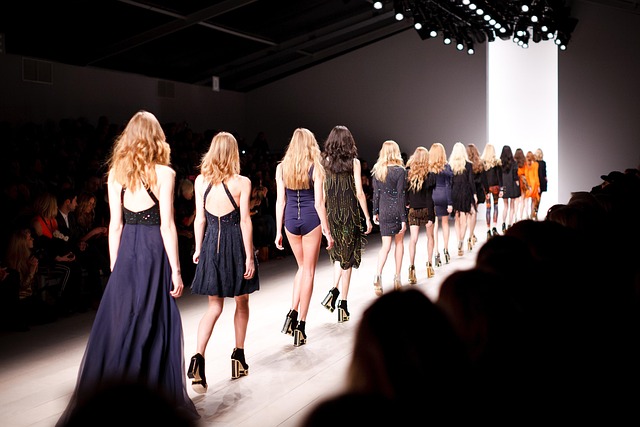
Fashion Weeks across New York, London, Milan, and Paris didn’t hold back this season. Each city brought its own flavor, but a few standouts cut through the noise. In New York, Peter Do’s Helmut Lang debut proved he’s not just a buzz name sharp tailoring and controlled layering set a new tone for quiet power dressing. London stayed true to its rebellious streak, but it was Irish designer Sinéad O’Dwyer who grabbed attention with striking body inclusive runway looks that put inclusivity up front, not as a footnote.
Milan brought cinematic drama. Sabato De Sarno’s first full Gucci show traded maximalism for intentional restraint a bold move. Then came Paris, the industry’s endgame, where big houses like Dior leaned into vintage revival while emerging talents like Botter hit sustainability notes with upcycled materials arranged in fresh, forward forms.
Across the Big 4, three key ideas kept repeating: a commitment to sustainability that went beyond press release lip service; bold minimalism that’s louder than it sounds; and a clear love for vintage construction updated but not overdesigned. The message? Fashion’s not chasing novelty anymore. It’s editing itself. Sharper, leaner, smarter.
Trends That Turned Heads
Runway Color Stories: Bold, Muted, and Everything In Between
Color continues to be a silent narrator on fashion’s biggest stages, and this season’s palette came with both surprises and statements.
Electric Blues & Acid Greens: Dominated both streetwear and eveningwear collections, signaling a shift toward more expressive tones.
Earthy Neutrals: Think clay browns, terracotta, and parchment beige grounding looks and giving structure to fluid silhouettes.
Unexpected Pastels: Soft lilac, powder blue, and pistachio green made frequent appearances, particularly in menswear collections.
Designers used color not only for visual impact but to set mood and tone, matching fabric choices and tailoring for full spectrum storytelling on the runway.
Silhouette Shift: From Precision to Play
Tailoring took a directional turn, mixing classic technique with a more liberated form. The balance between sharp and slouch created collections with attitude and adaptability.
Fresh Tailoring: Sharply constructed blazers with exaggerated shoulders and razor sharp lapels appeared across New York and Paris.
Slouchy Silhouettes: Wide leg trousers and dropped shoulders suggested ease without compromising polish.
Androgynous Edge: Many designers leaned into gender fluid shapes oversized button downs, long line trenches, and minimalist separates ruled the runways.
This fusion of contrast reinforced the season’s broader narrative: fashion with flexibility.
Streetwear Reinvented Again
Streetwear has long moved past fad status, and this season reaffirmed its place as both a cultural and design force.
Runway Blending: Brands like Off White, Martine Rose, and Diesel challenged traditional fashion week hierarchies, showing streetwear lines alongside couture pieces.
Technical Textiles: Utility fabrics with luxe finishes think nylon with iridescent effects or cargo pants in silk blends blurred the line between street and studio.
Off Catwalk Expressions: Influencers, editors, and stylists treated sidewalks like showrooms, demonstrating how these trends function beyond the runway.
Streetwear’s staying power lies in its ability to remain responsive. Whether it’s referencing internet culture or prioritizing wearability, it continues breaking the mold with every season.
Designer Moments Worth Revisiting
This season, the runways didn’t just display fashion they lit up cultural conversations. New York went viral thanks to LaQuan Smith’s late night rooftop show, where silhouettes sliced through the skyline. Think power shoulders, razor fit bodysuits, and a walk off featuring surprise guest Janet Jackson unbothered and statuesque.
London brought heat with the breakout debut of CSM grad Tara Okonkwo, whose sculptural knitwear had critics dropping the “next McQueen” line. But the real moment? Burberry’s return to savage tailoring with Riccardo Tisci back in the driver’s seat, steering the brand into darker, moodier terrain.
In Milan, Prada’s show sparked debates from Vogue to TikTok with its hardly there panels layered over utility gear. Miuccia and Raf turned architectural cuts into wearable armor. Not everything landed, but they made sure people talked. And over in Paris, the comeback we didn’t see coming: Martin Margiela’s shadow team quietly dropped a capsule anonymously, of course leaving fashion sleuths scrambling for confirmation.
Every city had its standout, but across the board, designers weren’t mailing it in. They chased precision. From buttons shaped like fossils to hand stitched seams only visible under certain lighting, this was a season for the obsessive. If runway shows ever looked like they were designed for slow, frame by frame study, it was this one.
Fashion Week’s Global Reach

This season, the spotlight didn’t just stay fixed on New York, London, Milan, or Paris. Cities like Seoul, Lagos, and São Paulo stepped up with fashion weeks full of creativity, cultural identity, and commercial weight. These aren’t fringe players anymore they’re shaping global conversations. Lagos mixed heritage textiles with futurist silhouettes, Seoul doubled down on tech layered streetwear, and São Paulo pushed sustainability from concept to execution.
At the same time, digital first show formats proved they’re no longer just a COVID era fix. Livestreams, AR try ons, and even creator led pre show experiences offered reach that no physical runway ever could. Designers used short form content and influencer partnerships to build global audiences from day one. Discovery is now just a scroll away.
The result? A growing overlap between high end fashion and broader accessibility. Luxury brands are testing lower price points, capsule lines, and limited drops aimed at emerging markets consumers without dumbing anything down. The message is simple: global fashion isn’t only for the elite few, and the best seats are no longer in the front row they’re online, open to anyone paying attention.
Behind the Curtain Moves
While the runways served looks, the real power shifts happened backstage. In 2024, fashion’s not just about fabric it’s about who’s funding it, where it’s headed, and who’s calling the shots. Luxury giants are ditching old formulas and writing new playbooks. That means tighter media control, unexpected partnerships, and sharper content strategies aimed at Gen Z and next gen wealth.
The post pandemic world made one thing clear: brand loyalty isn’t a given. To stay relevant, houses are pivoting. Labels like Balenciaga and Bottega Veneta have pulled back from overexposure, while others are doubling down on digital drops and creative collabs. Think fashion week meets streaming platforms. Think exclusive capsules teased through cryptic IG posts and picked up by culture podcasts not just fashion mags.
Behind those shifts? New guard creative directors stepping in while legends bow out. Some exits were messy, others strategic resets. Either way, it’s shaking the industry. These changing hands are less about shock value now, more about sculpting the next chapter. It’s chess, not checkers.
Bottom line: if you’re only watching the clothes, you’re missing the full narrative. Fashion is a business as calculated as it is creative.
What It All Means for Your Wardrobe
Runway heat doesn’t always translate to real life wear. But this season, a handful of trends made the jump.
First, relaxed tailoring is here to stay. Think pants that actually let you breathe, oversized blazers with clean lines, and soft suiting cuts that work just as well on weekdays as they do off hours. It’s polish without the pretense.
Next: the return of statement minimalism. Not boring basics think stark monochrome, bold cuts, sculptural bags. It’s about looking intentional, not trendy. If it feels effortless but styled, you’re doing it right.
Also worth watching: androgynous layers, utility details, and little hits of metallic. These are all wearable upgrades you can lean into without scattering your personality.
If you’re investing, prioritize high use pieces: a crisp oversized shirt, a good trench, structured denim, or a quality wide leg pant. Accessories matter too chunky loafers, sharp totes, sunglasses that do more than hide your eyes.
Stay ahead by choosing pieces that feel both grounded and flexible. If they can take you from brunch to work to a gig without a second guess, you’re winning.
Need the full breakdown? Don’t miss the weekly fashion roundup.
Editors’ Watch List
Here’s what’s quietly turning heads behind the noise of Fashion Week headlines. First up, keep your eye on Eiko Sato, a Tokyo based designer making sharp, deconstructed pieces from post industrial waste textiles. Her attention to form and minimalism has already caught the attention of buyers from Berlin to Brooklyn. Then there’s Ama Duro, a Lagos born label gaining traction for its vibrant tailoring and cultural storytelling bold, structured, and deeply rooted in West African design language.
On the sustainability front, a few houses are done just talking. Genzini (Milan) has transitioned nearly 80% of its supply chain to regenerative cotton and lower impact dyes. No flash, just facts and clothes that still look like luxury. Paris based D’Evra has moved to a rental only model for their couture line. High risk? Sure. But it’s rewriting what ownership means in fashion.
As for what’s coming next, watch for cross collaborations that blur more than aesthetic lines. Think designer tech team ups, AI generated fabrics, and immersive retail pop ups blending fashion with experience design. These aren’t gimmicks; they’re industry realignments.
For more weekly spotlights and shift reports, don’t miss our weekly fashion roundup.
 Fashion Trends Editor