You ever watch a fashion show and think What the hell is happening?
I do too.
It’s not just you. That feeling. Confusion, disbelief, maybe even boredom (is) real.
Why Fashion Shows Are Weird Lwspeakfashion isn’t some secret code. It’s what you’re already asking out loud.
Why are models walking in snowstorms indoors? Why does someone wear a dress made of trash bags? Why is there a live goat on the runway?
(Yes, that happened.)
This article doesn’t shrug and say “it’s art.” I’ll tell you why those choices get made. Who benefits. Who watches.
What gets sold (and) what doesn’t.
Fashion shows aren’t broken. They’re built for a specific audience. And that audience isn’t you.
Not yet.
But once you see how the pieces fit (the) money, the press, the timing (you) stop seeing chaos. You start seeing signals.
You’ll walk away knowing exactly why the weirdness exists.
And more importantly (you’ll) know how to read it.
Why Fashion Shows Are Weird Lwspeakfashion
I scroll past runway videos and think: who wears a coat made of shredded credit cards? (Answer: nobody. And that’s the point.)
Why Fashion Shows Are Weird Lwspeakfashion isn’t about selling clothes. It’s about testing ideas.
Designers don’t need your money to walk a model down a catwalk. They need space to yell something loud and strange.
This isn’t retail. It’s art school on steroids.
Think of it like a painter slapping neon paint on canvas (not) because it matches the couch, but because it makes you blink twice.
Oversized hats? Not for commuting. Extreme shoulders?
Not for squeezing into subway doors. Plastic corsets? Not for breathing.
They’re prototypes. Protests. Mood boards made real.
You see a dress woven from fishing nets and roll your eyes. Six months later, a department store sells a skirt with subtle netting trim.
That trickle-down starts here. In the weird.
Commercial lines copy the feeling, not the form.
A sculptor doesn’t carve a chair expecting someone to sit on it. A designer doesn’t drape foam over a mannequin hoping you’ll wear it to brunch.
They’re asking questions. You’re just along for the ride.
So next time you see something baffling on the runway. Pause. Don’t ask “Who would wear that?” Ask “What’s it trying to say?”
Because it’s not fashion. It’s fiction. With sequins.
Why Fashion Shows Feel Like Theater
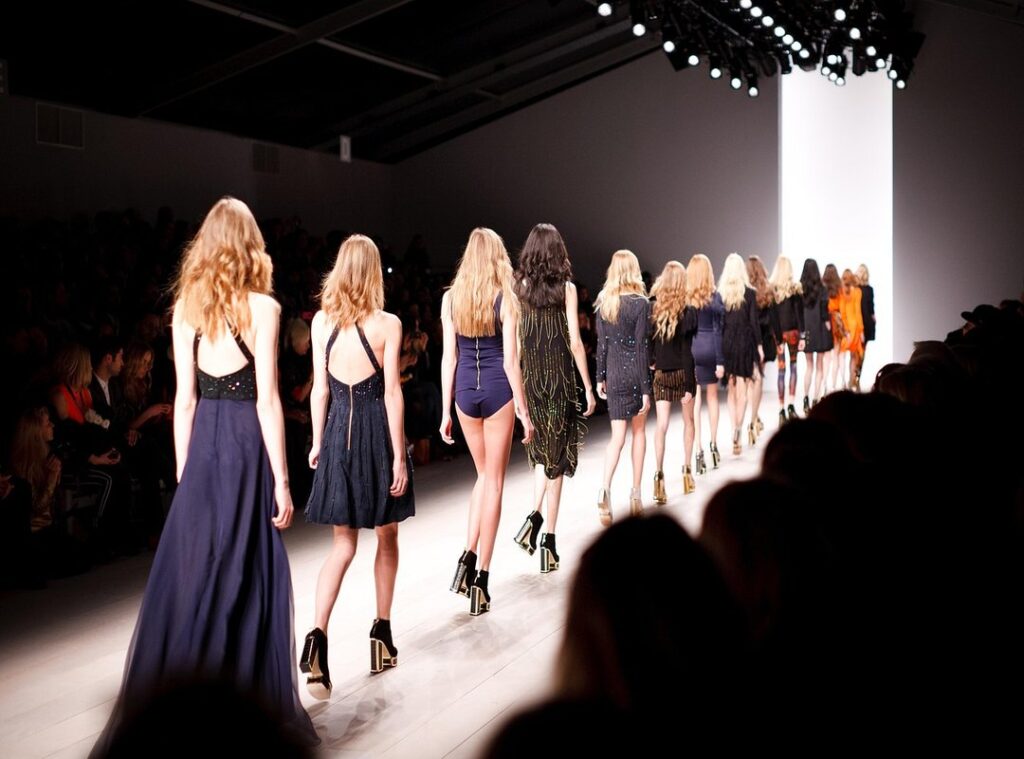
Fashion shows are not clothing parades.
They’re full-blown theater.
I’ve sat through shows where the lights dimmed like a Broadway curtain, and smoke curled across concrete floors while a single model walked in silence for ninety seconds. That wasn’t about the jacket. It was about feeling something.
Designers build worlds (not) just outfits. They pick music that rattles your chest. They paint walls with slogans or hang chandeliers over gravel.
You’re not just seeing clothes. You’re stepping into a mood.
Why do they go so far? Because no one scrolls past spectacle. A model falling?
A live goat on the runway? A dress made of shredded credit cards? Those moments stick.
They get shared. They get argued about.
That’s the point. The weirdness isn’t accidental. It’s calibrated to cut through noise (and) make you remember who made it.
Which makes me ask: when was the last time you saw a show and forgot what the clothes looked like. But still remember how it felt?
That’s why fashion shows are weird Lwspeakfashion. Spectacle isn’t decoration. It’s the message.
It’s the memory. It’s how you get heard.
Why Fashion Shows Are Weird Lwspeakfashion
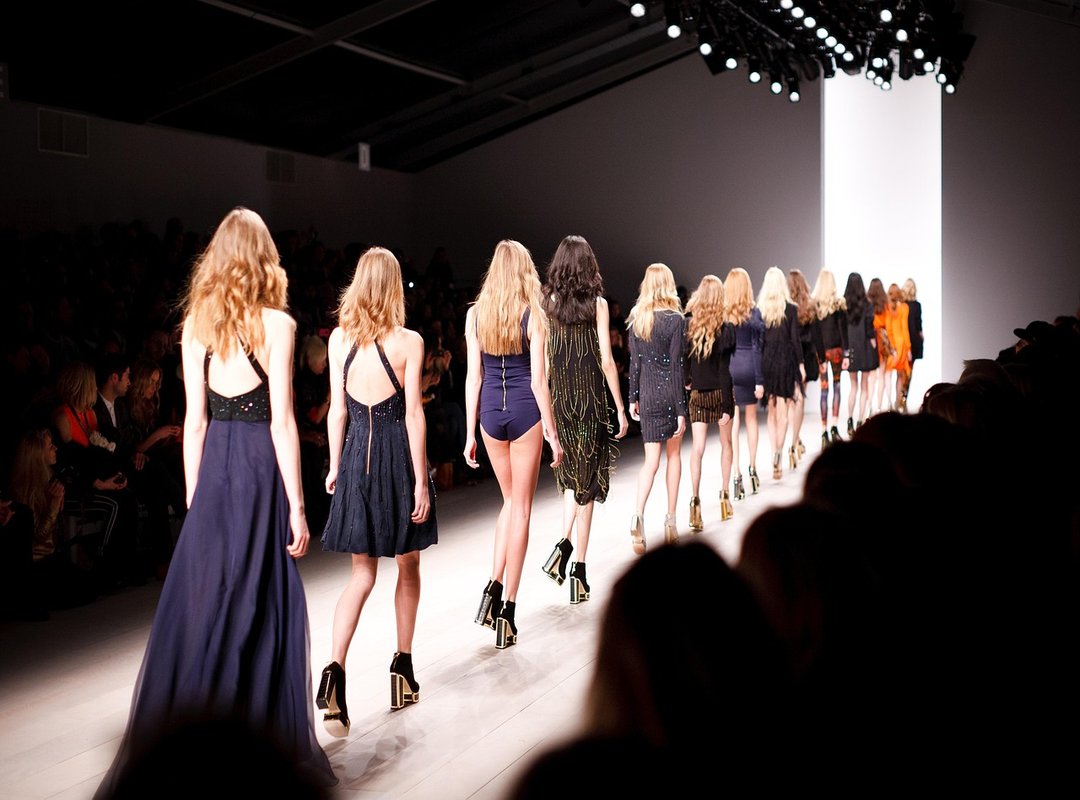
Fashion shows aren’t for you.
They’re for buyers, editors, stylists (and) maybe a few influencers with clout.
I’ve sat in those front rows.
And let me tell you (nobody) expects you to wear that headpiece to brunch.
These shows are where trends get named, not born.
Designers pitch ideas to people who decide what hits your mall next March.
That’s why the looks seem so extreme. They’re prototypes. Like a concept car (you) won’t see it on the road, but its headlights show up on every sedan next year.
You think that neon-green taffeta cape is random? It’s a signal. A loud, messy, expensive signal saying *“This is texture.
This is volume. This is where I’m going.”*
Haute couture shows? Those aren’t even about clothes. They’re art installations with seams.
No sales targets. No fabric budget. Just pure, unfiltered vision.
So when you scroll past something baffling on Instagram (ask) yourself:
Who was really supposed to see that?
And the stylist prepping Zendaya for the Met Gala definitely was.
You weren’t. But the buyer at Saks was. And the editor at Vogue was.
Want to understand why any of this matters beyond the spectacle?
Check out Why Fashion Is Important Lwspeakfashion.
Fashion Shows Aren’t Weird. They’re Honest
I watched a show where models walked barefoot on broken glass. Not for shock value. For grief.
That’s not weird. That’s the world bleeding through fabric.
You think fashion shows are about clothes? They’re not. They’re press conferences with sequins.
Designers skip the podium and send a message down the runway instead. Like when Pyer Moss showed police uniforms stitched with names of Black people killed by cops. Or when Jean Paul Gaultier put men in skirts before it was safe to do so.
Beauty standards? Gender rules? War headlines?
They all show up (uninvited,) unedited, unapologetic.
The “weirdness” you see is just clarity.
It’s what happens when you stop pretending fashion exists in a vacuum.
Why would anyone expect soft lighting and polite applause when the ground is shaking?
Some shows happen in subway tunnels. Some use real refugees as models. Some burn dresses mid-show.
That’s not performance art. It’s documentation.
You scroll past it thinking it’s noise.
But it’s actually the loudest part of the conversation no one else will host.
Fashion shows don’t reflect culture.
They argue with it.
And if that makes them feel uncomfortable (good.)
Discomfort is where change starts.
If you want to understand how style becomes statement, start with the Lwspeakfashion Styling Guide by Letwomenspeak. It’s not theory. It’s proof.
Weird Is Working
I used to stare at fashion shows and think what the hell is happening.
Then I stopped asking why they looked strange. And started asking what they were saying.
They’re not random. They’re art. They’re storytelling.
They’re commentary. They’re trendsetting in real time.
You felt confused. That’s normal. But confusion isn’t a flaw (it’s) the first sign you’re looking too close at the surface.
Step back. Breathe. Watch like it’s theater (not) a shopping catalog.
Because it is. It’s performance. It’s prediction.
It’s designers shouting ideas before the world is ready to hear them.
The weirdness isn’t noise.
It’s signal.
And if you’ve ever scrolled past a show thinking this has nothing to do with me. You’re wrong. It has everything to do with how style evolves.
How identity shifts. How culture moves.
Why Fashion Shows Are Weird Lwspeakfashion isn’t a question to answer.
It’s a lens to pick up.
So next time one drops, don’t shut it off. Pause it. Rewind the wild moment.
Ask: What’s this trying to say?
You’ll start recognizing patterns. You’ll spot references. You’ll feel less like an outsider.
And more like someone who gets it.
That shift?
It starts now.
Go watch one show this week. Not to judge. Not to shop.
Just to watch. Like you’d watch a film.
You’ll see it differently.
I promise.
 Fashion Trends Editor