
I failed my first CPR test. Not because I didn’t care. Because no one told me what actually mattered.
You’re nervous. I get it. You’re thinking: *What if I freeze during the practical?
What if I mix up compressions and breaths? What if I forget the steps mid-test?*
Those fears are real. But they’re not reasons to avoid learning CPR. They’re reasons to learn it right (the) first time.
This isn’t about memorizing a script. It’s about knowing what to do when someone collapses in front of you. That’s why this guide focuses on How to Pass a Cpr Certification Jexplifestyle.
No fluff, no jargon, just what works.
I’ve taught CPR to hundreds. I’ve watched people panic. I’ve also watched them walk out confident (because) they practiced the right things, not just the whole thing.
You don’t need perfection. You need clarity. You need to know where instructors actually look for mistakes (hint: it’s not the timing of your breaths).
This article gives you that. Step by step. No guessing.
Just what you need to pass. And save a life.
What CPR Certification Actually Gets You
CPR is hands-on help when someone’s heart stops. You push on their chest and give breaths to keep blood and oxygen moving.
You need different training for adults, kids, or babies. Healthcare workers take BLS. Teachers or coaches often get First Aid/CPR/AED together.
Choose based on who you’re likely to help (and) what your job or volunteer role demands.
Some jobs require it. Others just make sense. I got mine after my neighbor collapsed at a BBQ.
No warning. No time to Google.
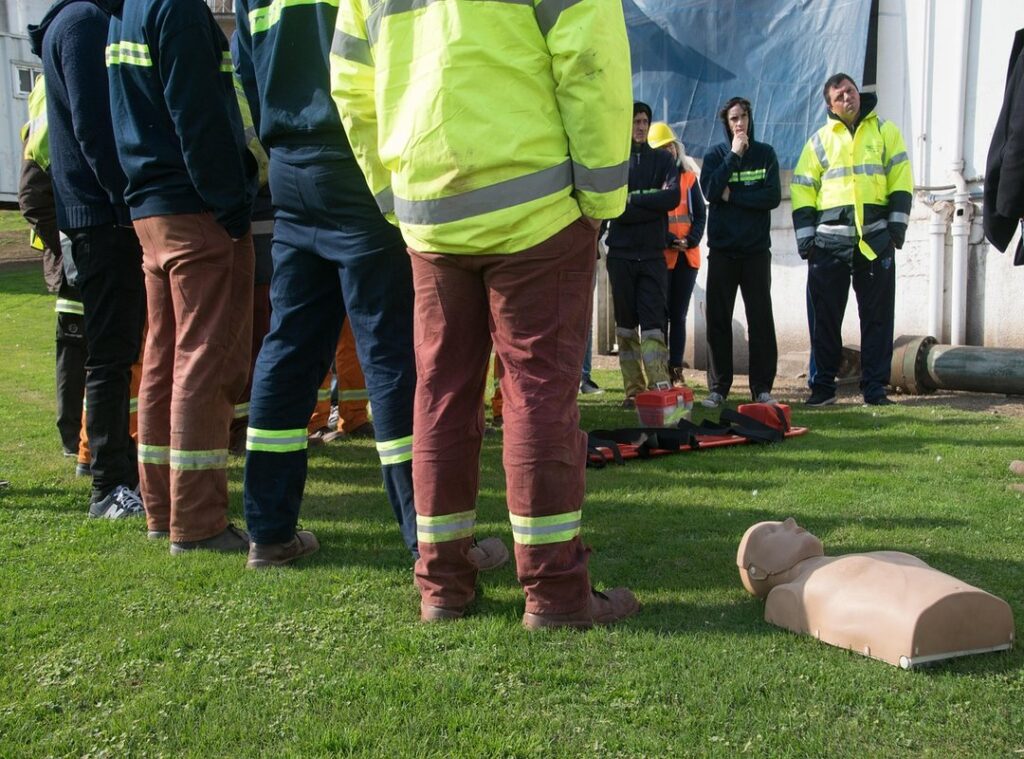
In-person classes let you practice on manikins and get real-time feedback. Online-only? Skip it.
You can’t learn chest compressions from a video. Blended courses work if the in-person part is mandatory and supervised.
How to Pass a Cpr Certification Jexplifestyle starts with picking the right course. Not the fastest one. Jexplifestyle breaks down what each cert covers (and what it leaves out).
Certification lasts two years. Then you retest. Not because you forget.
But because technique changes.
You don’t need perfection. You need readiness. And the confidence to act.
Prep Like You Mean It
I signed up for my CPR class at the community center on 5th and Main.
You should too (if) you live near downtown Portland, that place has real manikins and instructors who’ve done actual ER work.
Register with the American Red Cross or AHA. Not some fly-by-night outfit charging $200 for a PDF certificate. Check Google reviews.
If three people say “instructor fell asleep,” walk away. (Yes, that happened.)
Watch one 10-minute CPR video before class. Just the basics. Hand placement, compression depth, how hard to push.
You don’t need to memorize everything. You just need to not freeze when it’s time to kneel.
Sleep. Eat. Seriously.
I showed up hungover once. Felt like I was compressing a brick wall. Your brain needs fuel.
So does your back.
Wear pants you can squat in. No flip-flops. No dress shoes.
You’ll be on the floor. A lot.
Show up 10 minutes early. Not 2 minutes. Not “as the clock hits.”
Late = missed steps = retake the whole thing.
This isn’t yoga. You’re here to learn how to save someone. So show up ready.
How to Pass a Cpr Certification Jexplifestyle starts before the first whistle blows. Not during. Not after.
Before.
During Class: Do This, Not That

I watch people zone out during CPR class.
You’re not supposed to just sit there.
Take notes on the ratios.
Write down 30 compressions to 2 breaths. Not just “compressions and breaths.”
That number sticks better when you see it in your own handwriting.
Practicing the CPR ratios can be further enhanced by referring to the Jexplifestyle Health Guide by Jerseyexpress for additional tips and resources.
Ask questions. Right then. If you’re confused about hand placement or rate, say it.
Instructors expect it. They want you to get it right (not) guess later.
Practice on the mannequin like it’s real. Press hard enough to see the chest move. Count out loud: one-and-two-and-three-and…
(Yes, you’ll feel dumb.
Do it anyway.)
“Look, listen, feel” isn’t poetry. It’s what you do at someone’s side. Try it now (even) without a patient.
Put your ear near your own collarbone and breathe shallow. Feel how little you catch?
“Head tilt, chin lift” sounds vague until you do it wrong. Then you feel the airway stay closed. So practice it with compressions (not) after.
Talk yourself through each step as you move. Say it. Hear it.
Fix it on the spot. This is how muscle memory starts.
Just follow the voice.
AED training isn’t magic. You’ll open the case, place pads (right shoulder + left side), and let it talk. No guessing.
Want more context? The Jexplifestyle health guide by jerseyexpress breaks down why timing matters more than perfection. How to Pass a Cpr Certification Jexplifestyle isn’t about memorizing (it’s) about doing it once, correctly, under pressure.
So do it now. In class. With your hands.
How to Pass the CPR Test (No Guessing)
The written exam is multiple choice.
It covers concepts, steps, and real-world scenarios.
I read every question twice.
You should too.
Eliminate the answers that are obviously wrong.
Then pick the one that feels right (not) the one you overthink.
The practical test? You do CPR on a mannequin. Sometimes it’s a full simulated emergency (someone) yelling, lights flashing, time ticking.
Your first gut call is usually correct. (Unless you skipped class. Then maybe not.)
Stay calm. Breathe. Say your steps out loud: “Airway open… breathing check… circulation assessment.”
Instructors watch for understanding (not) perfection. They’ll nudge you if you miss a step. They want you to pass.
I failed my first practical because I forgot to say “I’m calling 911” out loud. The instructor paused, smiled, and said, “Say it now.” I did. Passed.
This isn’t about memorizing scripts.
It’s about doing the right thing when it counts.
If you trained, you’re ready. Trust your hands. Trust your voice.
For more straightforward health advice. Including how to stay calm under pressure (check) out the Jexplifestyle Health Advice From Jerseyexpress.
You’re Ready to Start Saving Lives
I passed my CPR certification. It wasn’t magic. It was showing up, practicing, and trusting myself.
You felt that knot in your stomach before signing up. That voice saying What if I freeze? What if I mess up?
Yeah.
I heard it too.
Here’s what worked: How to Pass a Cpr Certification Jexplifestyle
Not memorizing. Not cramming. Doing the drills.
Asking questions. Trying again when it felt awkward.
Certification isn’t the finish line. It’s the starting point. Practice once a month.
Run through chest compressions. Say the steps out loud. Your hands remember faster than your brain thinks.
That moment someone collapses. No one cares if you looked nervous. They care if you act.
And you will.
You want to be the person who steps in.
Not the one who stands back.
So stop waiting for confidence to show up first.
It shows up after you sign up.
To boost your confidence and prepare effectively for your CPR certification, consider following Jexplifestyle Health Advice From Jerseyexpress.
Sign up for your CPR course today and help yourself to be a lifesaver!
 Fashion Trends Editor