
You’ve seen it happen.
A topic nobody cared about two years ago suddenly shows up on runways. In furniture stores. On your friend’s Instagram feed.
It feels random. Like fashion just woke up and decided climate change was chic.
But it’s not random.
Whatutalkingboutwillistyle is real. And it’s been true for decades.
I’ve spent years watching how conversations become clothes, how headlines turn into hemlines. Not by guessing. By listening.
Most trend reports just tell you what’s hot right now. That’s useless if you want to know what’s coming next.
This isn’t that.
I’m pulling back the curtain on how forecasting actually works. No jargon, no fluff, just the pattern I’ve watched repeat again and again.
You don’t need a degree in semiotics to spot the next wave.
You just need to know where to listen.
And once you do? You’ll see style forming long before it hits the racks.
That’s what this article gives you. A working lens. One you can use tomorrow.
The Zeitgeist Isn’t Magic (It’s) Just Us Talking
I used to think trends just happened. Like they fell from the sky. Turns out?
They’re built. Word by word. Post by post.
Argument by argument.
The zeitgeist is not some vague fog. It’s the actual air we breathe when we talk about rent, AI, burnout, or why every app feels like it’s begging for attention.
It’s real. It’s measurable. And it moves fast.
Whatutalkingboutwillistyle is one of the few places I go to watch that movement in real time (not) as theory, but as raw cultural signal.
Here’s how it works:
Someone says something online. Then five people echo it. Then a journalist picks it up.
Then designers start sketching. Then stores stock it. Then your aunt wears it.
That’s the lifecycle. Not inspiration → creation → launch. It’s conversation → value → aesthetic → object.
Take the 1970s. People were scared. Gas lines.
Inflation. Nixon resigning. That fear didn’t vanish.
It showed up in avocado green shag rugs. In walnut paneling. In macrame plant hangers made from cheap cotton rope.
Designers didn’t invent those colors. They listened.
And if you weren’t listening? Your work felt dated before it shipped.
Today’s version? Think of the quiet shift toward beige kitchens and unbranded tote bags. That’s not minimalism.
I go into much more detail on this in Whatutalkingboutwillistyle the.
That’s exhaustion. That’s “I don’t want to explain myself anymore.”
You can’t design well without hearing what people are actually saying. Not what marketers wish they were saying.
Style isn’t born in studios. It’s born in group chats. In comment sections.
In the pause before someone says, “Wait (what) if we did it this way instead?”
So stop chasing trends. Start listening.
That’s where real relevance lives.
Conscious Style Isn’t a Trend. It’s a Refusal
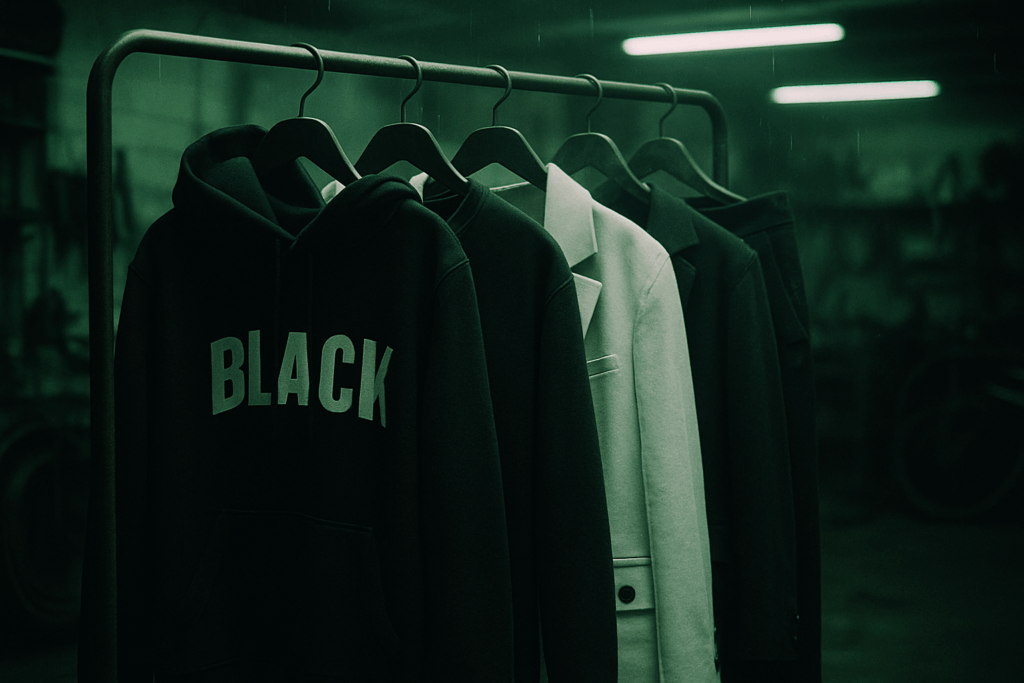
I stopped buying black polyester jackets in 2012. Not because they looked bad. Because I knew where they came from.
The global conversation around sustainability didn’t start with TikTok. It started with landfills overflowing, rivers choked with dye runoff, and garment workers speaking up (loudly.)
And fashion listened. Or at least, it learned to mimic the language.
Linen shirts sold out in May. Organic cotton tees got shelf space next to fast-fashion basics. Gorpcore blew up (not) because people suddenly loved hiking (though some did), but because durable gear lasts.
And lasting is political now.
Thrifting isn’t “vintage shopping” anymore. It’s refusal. Upcycling isn’t crafty (it’s) accountability. “Buy less, buy better” isn’t a slogan.
It’s a reset button.
Brands caught on fast. They slapped “eco-friendly” on tags like it was a seal of approval. Used “circular” without defining it.
Called things “ethically-made” while outsourcing to factories with no public audit trail.
(Which is why I check who sews the seams before I click “add to cart.”)
The aesthetic followed: oat, clay, charcoal, raw denim edges, unlined wool coats, visible mending. No glitter. No logos screaming for attention.
Just texture, weight, intention.
That muted palette? It’s not accidental. It’s visual quiet (the) opposite of algorithm-fed dopamine hits.
You feel lighter wearing it. Not physically. Emotionally.
Because when your clothes line up with what you believe, the friction drops.
Whatutalkingboutwillistyle
Whatutalkingboutwillistyle the Lifestyle
This isn’t about looking good. It’s about feeling aligned. Even if your jeans have one patch too many.
You Already Know What This Is
I’ve seen the confusion. The eye-rolls. The “wait.
What?” moments.
That’s why Whatutalkingboutwillistyle exists.
It’s not a joke. It’s not a meme you have to explain. It’s the thing you say when something lands exactly right.
You’re tired of decoding jargon. Tired of pretending you get it. Tired of nodding along while your brain checks out.
This isn’t about sounding smart. It’s about feeling understood.
So stop overthinking it.
Go use Whatutalkingboutwillistyle (right) now. In that email, that Slack message, that meeting where everyone’s faking confidence.
It works because it’s real. Because it’s yours.
And if you’re still hesitating? Ask yourself: what are you waiting for?
Try it once. See how fast people lean in.
Do it.
 Fashion Trends Editor