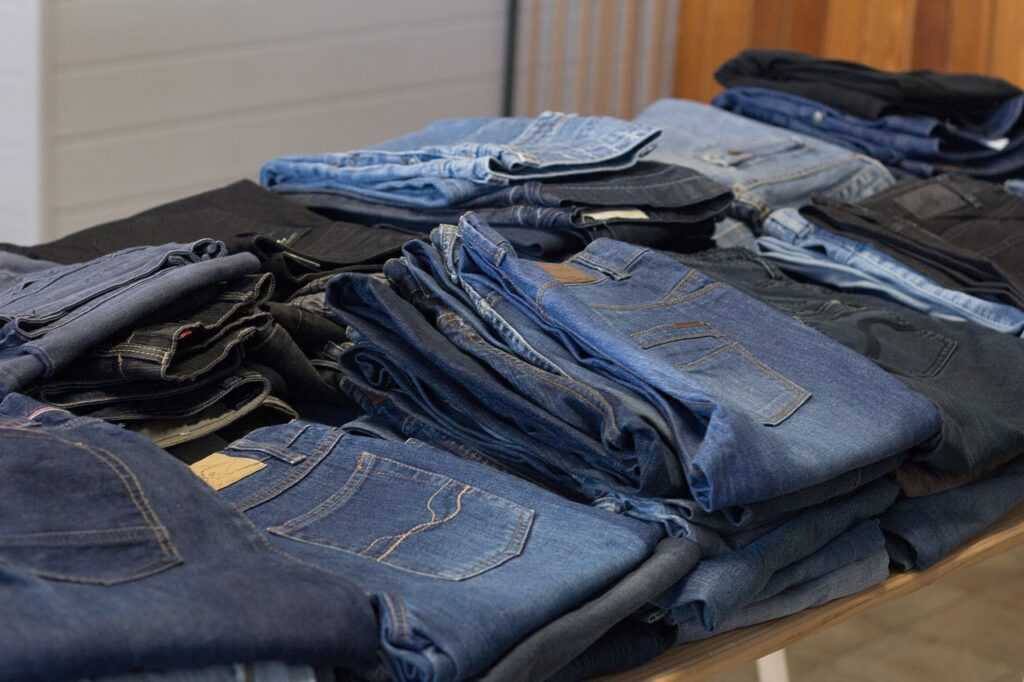

Start with What You Own
Before you buy anything new, you need to know what you already have. A full closet audit sounds tedious but it’s the foundation of a sustainable wardrobe. Pull everything out. Yes, everything. Sort by type, try things on, and be brutally honest about what you wear and what just takes up space.
Once you’ve got a clear view, you’ll probably realize you have more than you think. That blouse you forgot about. Those jeans that just needed a small repair. The jacket you love but never styled right. It’s all usable if you start seeing your clothes as assets, not just fashion moments.
Wear your stuff with intention. Experiment with new combinations. Layer differently. Mix formal with casual. The goal is to rotate more and toss less. Mend what’s fixable. Tailor what doesn’t quite fit. And when something’s on its last legs? Repurpose it for at home wear or turn it into cleaning rags. It’s not glamorous but it’s honest recycling.
This step doesn’t require a budget, just attention. The most sustainable piece of clothing is the one you already own.
Buy Less, Choose Smarter
Sustainable style starts with restraint. That means dialing back the urge to chase every passing trend. Fast fashion thrives on fast turnover it wants you hungry for novelty. But a smarter approach is to shift your mindset: don’t ask “what’s in,” ask “what will still work five years from now.”
Timeless, versatile pieces are your best allies. Think clean silhouettes, neutral palettes, quality fabric. Items that hold up both in stitching and in relevance. These are the clothes you reach for again and again.
And maybe the biggest shift? Stop shopping on impulse. Before you buy, pause. Does it fill a gap? Can you style it multiple ways? Do you actually need it or just want a hit of dopamine? Make a plan. Stick to it. Your closet (and the planet) will thank you.
Learn to Read the Label
If you want your wardrobe to be truly sustainable, start with understanding what your clothes are made of. Fabrics like organic cotton, Tencel (also called lyocell), and hemp are your go to materials. They use fewer resources, require less water, and break down better once they’re done. Basically, they’re low impact the exact opposite of synthetic fabrics like polyester that stick around for centuries.
But materials alone aren’t enough. Certifications help weed out the greenwashers. Look for tags that say GOTS (Global Organic Textile Standard), Fair Trade, or OEKO TEX. These aren’t fancy buzzwords they signal real environmental and labor standards. If a brand claims it’s “eco friendly” or “conscious” but has no certifications, dig deeper. Transparency should be the norm, not the exception.
Sustainability talk is cheap. If a company can’t tell you where its materials come from or how its workers are treated, it’s probably just marketing. Always check the label and the story behind it.
Support Transparent Brands

Not all clothing is created equal, and in 2024, transparency is the benchmark. Look for brands that openly share where their garments are made, who’s making them, and under what conditions. If a label is vague about its supply chain, that’s already a red flag. The good ones don’t hide the details they publish them.
Small batch production is your cue that a brand values quality over quantity. It often means less waste, better oversight, and closer ties to local makers. The same goes for locally sourced textiles and factories that offer fair wages and safe conditions. Ethical labor doesn’t need a big PR campaign it’s visible in the way a company operates when no one’s watching.
Also, don’t assume a high price equals high standards. Some luxury brands are just as murky as fast fashion chains. If a $300 jacket doesn’t come with proof of ethics, move on. A $60 item from a well documented, small scale maker might be the more responsible pick. Learn to shop with your values, not just your wallet.
Shop Pre Loved and Secondhand
Thrift stores, vintage shops, apps like Depop and Poshmark they’re not just backups anymore. They’re where some of the best wardrobes are being built. When you shop secondhand, you dodge the fast fashion cycle and invest in clothes that already proved they’re built to last.
Clothing swaps are another smart play. Grab a few friends, clean out your closets, and trade. It’s simple, social, and waste free. Rental services are catching on too, especially for one off events or experimenting with bold looks before committing.
Let’s be clear: pre owned doesn’t mean settling. It means curating. You’re not just wearing a jacket. You’re wearing a story, a vibe, maybe even a little history. That beats off the rack sameness any day.
Build a Wardrobe That Works Hard
This isn’t about owning more it’s about owning better. Start by choosing pieces that don’t care what season it is. A sturdy denim jacket, a clean cut black tee, well fitted jeans these are year round staples that carry their weight.
Fit is non negotiable. If it doesn’t sit right, you won’t wear it and clothes wasting space in your closet aren’t sustainable. Pick garments you feel good moving in. Durability matters too. Strong seams, quality materials, and timeless silhouettes outrun trends every time.
Capsule wardrobes strip it all back. Ten to fifteen pieces you can mix, match, and layer into dozens of outfits. Simple, flexible, and low stress, especially for mornings when you don’t want to think but still want to look sharp.
For help putting it all together, check out this sustainable wardrobe guide.
Care Is Half the Battle
Once you’ve built a more thoughtful wardrobe, it’s how you care for it that really extends its life. First rule: wash less. Most clothes don’t need a full wash after every wear especially denim, sweaters, or jackets. Spot clean when you can. When you do wash, go gentle. Cold water, low spin cycles, and natural detergents reduce fabric stress and color fade.
The dryer? Skip it. Heat does real damage over time shrinks, warps, weakens. Air drying isn’t just gentler on your clothes, it uses zero energy. Just hang things up or lay them flat and let gravity and time do the work.
And don’t toss something the moment it frays or rips. A needle and some thread or a quick visit to your local tailor can add years to your wardrobe staples. Learning a few basic repair skills turns you into your own sustainability engine: less waste, more longevity, no drama.
Progress Over Perfection
Don’t feel the pressure to overhaul your entire closet overnight. Building a sustainable wardrobe isn’t about tossing everything and starting fresh it’s about making intentional shifts, one choice at a time. Transition is the name of the game.
Start by asking yourself small questions: Can I wear this a few more times? Can I repair instead of replace? Can this piece work in new ways? Small, steady decisions add up to real change.
Remember, sustainability isn’t about being flawless. It’s about doing better when you can, and building habits that stick. You’re not racing anyone. You’re creating something that lasts.
For more tips and a bigger picture strategy, check out this sustainable wardrobe guide.
 Fashion Trends Editor