
Adult bears, whether in the wild or captivity, face a lot of health issues. These problems can really affect their quality of life and how long they live. osos maduros enfermedad is a serious topic. You might be wondering why you should trust this information.
Well, it’s based on expert veterinary advice and the latest research in bear health. This article gives essential info for anyone involved in caring for and conserving adult bears.
Common Health Conditions in Adult Bears
Let’s talk about arthritis. It’s a real pain, literally. Joints get inflamed, and it can make moving around tough.
Dental issues are another big one. Tooth decay and gum disease can be a nightmare. (And who wants to deal with that?) Regular check-ups and cleanings can help, but it’s not always easy to keep up.
Obesity is a growing problem. Extra weight puts a strain on the heart and other organs. It’s frustrating because it’s often preventable, but managing it can be a challenge.
Weight management strategies are key. You need to balance diet and exercise, which is easier said than done.
Osos maduros enfermedad can be a serious issue, but with the right care, many of these conditions can be managed.
It’s all about being proactive. Don’t wait until it’s too late. Take steps now to keep your bear healthy.
Nutritional Needs and Diet-Related Conditions
When it comes to keeping adult bears healthy, a balanced diet is key. Essential nutrients like proteins, fats, and carbohydrates are crucial for their well-being.
Malnutrition can lead to serious health issues. Symptoms include weakness, poor fur quality, and even osos maduros enfermedad. Long-term effects can be devastating, so it’s important to stay on top of their diet.
To ensure a balanced diet, focus on variety. Include different types of foods that cover all the necessary vitamins and minerals. This helps prevent deficiencies and keeps them in good shape.
Food allergies and intolerances are more common than you might think. Signs can range from mild digestive issues to severe reactions. It’s important to identify these early.
Managing food allergies and intolerances involves careful observation. Keep a food diary and note any adverse reactions. This can help you pinpoint specific triggers and adjust their diet accordingly.
By paying attention to what they eat, you can help your bears live a healthier, happier life.
Parasites and Infectious Diseases
Internal parasites can be a real pain. You’ve got worms, protozoa, and more. Symptoms range from mild discomfort to severe health issues.
Effective treatment methods vary, but it’s crucial to consult a healthcare provider for the right approach.
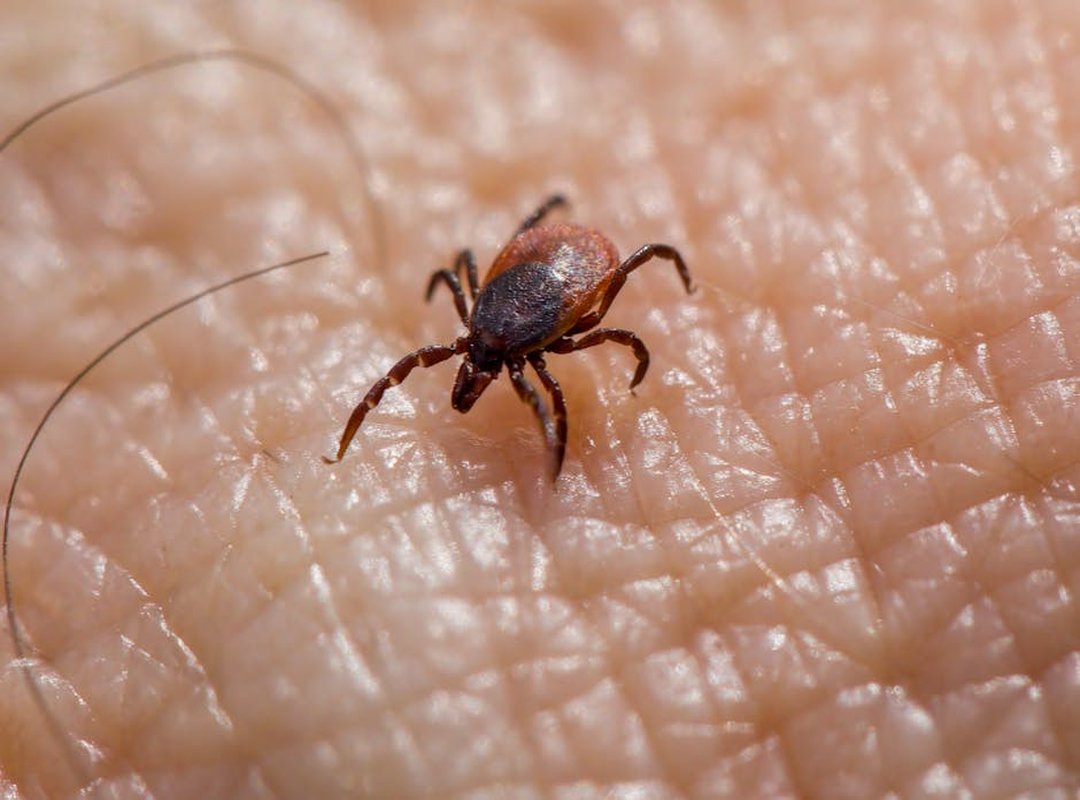
External parasites? Ticks and mites are the usual suspects. They can cause skin irritation and even transmit diseases.
Controlling them involves regular cleaning and using repellents. Simple, but it works.
Infectious diseases are another story. They spread through various means—air, water, and direct contact. Preventive measures like hand washing and vaccinations are key.
(You’d be surprised how many people skip these basics.)
Take osos maduros enfermedad for example. It’s a specific condition, and understanding its transmission and prevention is vital.
Now, you might be wondering, what does this have to do with fashion? Well, staying healthy is part of looking good. And if you’re into style, you might want to check out breakdown of the hottest celebrity street style moments.
It’s all about making a statement while staying safe and healthy.
Stress and Anxiety: Causes and Solutions
Stress and anxiety in adult bears can come from a lot of places. Changes in their environment, lack of food, or even human interaction can trigger these feelings.
Creating a stress-free environment is key. Provide a quiet, safe space where they can retreat. Keep a consistent routine.
Small changes can make a big difference.
Behavioral Problems: Common Issues and Strategies
Behavioral issues in bears can be tricky. They might show aggression, become overly shy, or start pacing. These are signs something’s not right.
Behavior modification and training can help. Positive reinforcement works well. Reward good behavior with treats or praise.
Consistency is crucial.
Osos maduros enfermedad can also affect their behavior. If you notice persistent issues, it’s a good idea to consult a wildlife expert. They can offer more specific advice and solutions.
Preventive Care and Regular Check-Ups
Regular veterinary visits are crucial for keeping your bear healthy. You might think, “Why do I need to go if my bear seems fine?” But trust me, a lot can be happening that you can’t see.
Regular check-ups help catch issues early. During a vet exam, they’ll check your bear’s weight, heart, lungs, and overall condition. They also look for signs of osos maduros enfermedad, which can be serious if left untreated.
Vaccinations are another key part of preventive care. Adult bears need certain vaccines to stay protected. The most common ones include rabies, distemper, and parvovirus.
The schedule for these vaccinations can vary, but typically, they should be given every 1-3 years. Your vet will give you the exact timeline based on your bear’s health and environment.
Keeping up with these basics can save you a lot of trouble down the line. It’s like changing the oil in your car—skip it, and you’ll pay for it later.
Ensuring the Longevity and Well-Being of Adult Bears
The article discusses several key health conditions that can affect osos maduros enfermedad. Regular veterinary check-ups are crucial to detect and manage these conditions early. A balanced diet, rich in essential nutrients, supports their overall health.
Creating a stress-free environment is also vital. This includes providing adequate space, enrichment activities, and minimizing exposure to loud noises or disturbances.
Stay informed about the specific needs of adult bears and consult with professional veterinarians for tailored advice.
 Founder & Creative Director