Why Upcycling Makes Sense Right Now
Fast fashion floods the market with cheap clothing at breakneck speed. Most of it ends up in landfills within weeks. Clothes are bought, worn a handful of times sometimes just once and discarded. The industry accounts for around 10% of global carbon emissions and is notorious for water waste, pollution, and labor exploitation. That’s the reality behind the trendy price tags.
Upcycling offers a practical way out. It’s not just creative it’s efficient. Reworking what you already own means less money spent, less waste produced, and fewer new resources extracted. It also slashes your carbon footprint from both manufacturing and shipping. In short: it’s less clutter, less guilt, more impact.
And it’s not a fringe idea anymore. Upcycling is now in conversation with cutting edge fashion tech and sustainable design thinking. Designers are prototyping circular fashion models, and upcycling fits right in. For a closer look at the broader movement, head over to sustainable design innovations. The future of fashion isn’t fast it’s smart, local, and made to last.
Method 1: The Chop & Crop Technique
You don’t need fancy machinery or fashion school to give old clothes a second shot. Most transformations start with a pair of sharp fabric scissors, a stick of chalk, and a seam ripper. The goal is simple: shape outdated pieces into something that feels fresh, wearable, and yours.
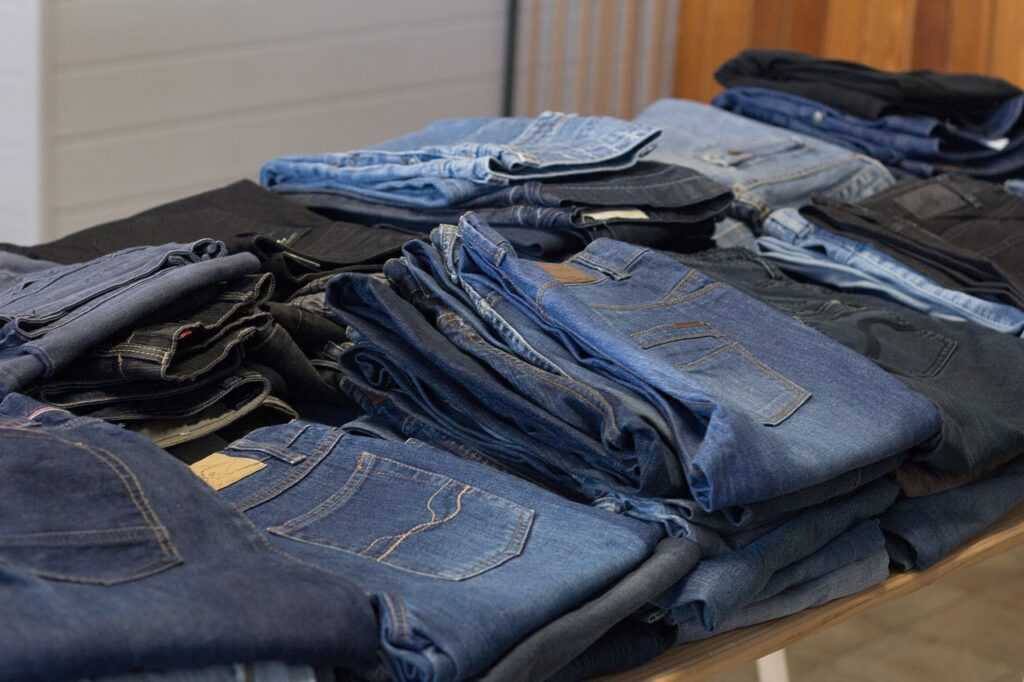
Tees and tanks? Cut them off an inch below the chest to create a crop top. Keep the hem raw for an effortless edge. Jeans that are too long or too tired at the hems? Slice them to ankle length, let the threads fray, and you’ve got raw hem denim with minimal effort. Sweaters take well to a direct off the shoulder look simply snip along the neckline and trim until it sits just right.
Start small. Test your cuts conservatively. Once you get the hang of it, you’ll find almost any piece in your closet has mod potential. And yeah, you might mess up the first few, but that’s part of the fun imperfection is the point.
Method 2: Patch It and Make It Pop
Not everything old has to look worn out. Some pieces just need fixing and a little flair. That’s where visible mending comes in. This approach isn’t about hiding flaws; it’s about turning them into features. Think hand stitched Xs over a torn seam, scrap denim folded into knees, or bold embroidery circling a coffee stain you never got out. Imperfection becomes intentional design.
Contrast fabric patches are a solid go to. Raid your bin of leftovers or thrift something loud just for its patterns. Stick with sturdy threads and a simple hand stitch (sashiko, whip, even a blunt running stitch works). If it looks rough at first that’s the point. The messiness adds charm.
Denim and outerwear are ideal candidates. Use a patch with a weight similar to your original fabric, especially on high wear zones like elbows or pockets. Jackets and oversized shirts? There’s more surface to play with, which means bigger statements: back panels, bold cuffs, or completely reimagined sleeves.
Don’t just repair reclaim. Your fixes can be louder than the flaw.
Method 3: Layer and Deconstruct
Layering and deconstruction aren’t just design tactics they’re a creative challenge that can transform forgotten items into bold, fashion forward pieces. The goal is to treat your closet like a toolkit and experiment by combining silhouettes, textures, and colors.
Blend and Build: The Basics
Start by choosing garments with similar fabrics or compatible construction. Lightweight cottons play well together, while mixing knits and denim requires more structure.
Best practices include:
Pairing oversized items with more fitted layers to maintain shape
Choosing a consistent color palette to keep the result cohesive
Pinning first before stitching or fusing pieces permanently
Creative Mashups to Try
Give older pieces a second life with mashups that mix function and flair:
Layered flannels: Sew the backs of two flannel shirts together for a reversible look
Two tone button ups: Detach the sleeve and side of one top to combine with another in a contrasting color
Hoodie jacket hybrids: Add a hoodie hood to an old denim or utility jacket for a custom streetwear edge
Structural Balance Matters
Layering isn’t just about stacking clothing it’s about creating harmony. Avoid bulkiness by removing unnecessary linings or layering only specific parts (like sleeves or hemlines). If combining pieces with different weights, use lighter fabrics underneath and maintain range of motion in key seams like the underarms and shoulders.
Style tip: Step back and evaluate the piece before finalizing cuts. A mirror or photo can help you visualize balance, flow, and proportion before committing.
With thoughtful layering and smart deconstruction, your upcycled pieces won’t just look custom they’ll look intentional.
Method 4: Dye, Paint, Distress
Don’t toss that tee just because it’s faded or stained. With a little effort, it can be your next favorite piece. Tie dye brings new energy to old cotton basics, especially if you lean into bolder color combinations or modern spiral patterns. Bleach techniques, whether for a splatter effect or deliberate patterning, work well on darker fabrics just go slow and ventilate. If you’re into full on customization, fabric paint opens up endless options. Think minimalist shapes, block lettering, or freehand art.
The key? Always test the process first. Scrap fabric, inside seams anywhere you can experiment without risking the whole garment. Every fabric reacts differently to dye or bleach, and what looks great on denim might bleed on rayon. So test, adjust, and then go all in. The transformation is often better than buying new.
Method 5: Accessories from Scraps
Don’t toss those scraps use them. The leftovers from your bigger upcycling projects can easily become functional, stylish accessories. Think headbands made from old t shirt hems, scrunchies from elastic backed fabric, or patchwork totes stitched from mixed remnants. Wristbands, keychain loops, and even fabric bookmarks work too.
These projects are fast, low effort, and make the most of what’s already in your hands. No need for full yardage or special tools just basic stitches and a bit of shaping. Plus, they make great gifts or market ready add ons. The big win? You’re keeping fabric waste out of landfills and giving each scrap a second shot at usefulness.
Upcycling down to the last thread isn’t just clever it’s responsible. And sometimes, your tiniest creations turn out to be the most loved.
How It Connects to the Bigger Picture
Upcycling clothes isn’t just a creative outlet it’s a deliberate choice to push back against the waste culture of fast fashion. Every time you turn an old tee into something new, you’re doubling its lifespan and halving its footprint. DIY fashion slows consumption, trims landfill overflow, and puts the power of design into your own hands.
But it goes beyond thread and fabric. Conscious creativity is part statement, part solution. When you patch a jacket instead of tossing it, you’re saying that style doesn’t need to cost the planet. When creators share these projects online, they spark community, not just clicks. That ripple effect matters.
Sustainability isn’t just a buzzword it’s a shift. And DIY fashion is a real, accessible entry point. For those ready to go deeper, the space is packed with innovation. From fabrics made of orange peels to closed loop production models, the future of fashion is taking shape fast. Check out these sustainable design innovations for a bigger look at what’s possible.
 Style & Culture Writer