

Is the blue waffles condition a real medical issue? No, it’s not. It’s a long-standing internet hoax from the early 2011s.
The claims and images associated with it are graphic and alarming. I’ll explain exactly what the hoax was, where it came from, and why it became so infamous. If you’re concerned or just curious, you can trust that I’ll give you the facts.
Debunking the Myth: What the Hoax Claimed vs. Medical Reality
You might have heard about something called “blue waffles disease.” It’s a hoax, but it spread like wildfire online. The claims were outrageous: blue discoloration, a waffle-like texture, and severe symptoms like an STD.
Let’s get real. These symptoms are biologically impossible. No legitimate medical condition matches this description.
The American College of Obstetricians and Gynecologists and the NHS both confirm that no such disease exists. That should be enough to put the myth to bed.
Then there’s the infamous image. It’s a fabrication, created through photo manipulation. The original image was likely altered or taken out of context.
It could have been a separate medical condition or even a non-medical object.
The whole thing was designed for shock value. I fell for it once, thinking it was some rare, unreported condition. (Who wouldn’t, with all the hype?) But that was a mistake.
Now, I know better. Always check the source and consult reputable health organizations before believing anything you see online.
The blue waffles soa is just another example of why we need to be more critical of the information we come across. Trust your gut, and when in doubt, seek out verified sources.
Where Did the ‘Blue Waffles’ Story Come From?
Let’s dive into the bizarre and, quite frankly, gross world of “blue waffles.” This hoax first reared its ugly head around 2010.
It started on internet forums like 4chan and early social media platforms. The primary goal? To shock and disgust unsuspecting users.
Why “blue waffles”? Well, the name is a jarring and memorable combination of words. It’s like naming a pet “Electric Pickle” – it sticks in your brain.
- It served as a shock site.
- It was used as a prank to trick people.
- It became a viral meme.
The “blue waffles” soa quickly spread like wildfire. It was a perfect storm of shock value and shareability. People loved (or hated) it, but they couldn’t stop talking about it.
This prank became a piece of internet folklore. It was often used as a bait-and-switch, luring people with something seemingly innocent, only to hit them with a nasty surprise.
In many ways, “blue waffles” was an early example of viral misinformation. It showed how easily false and disgusting content could spread in the digital age.
So, next time you hear someone mention “blue waffles,” you’ll know it’s not about a tasty breakfast treat.
The Psychology of a Viral Medical Hoax
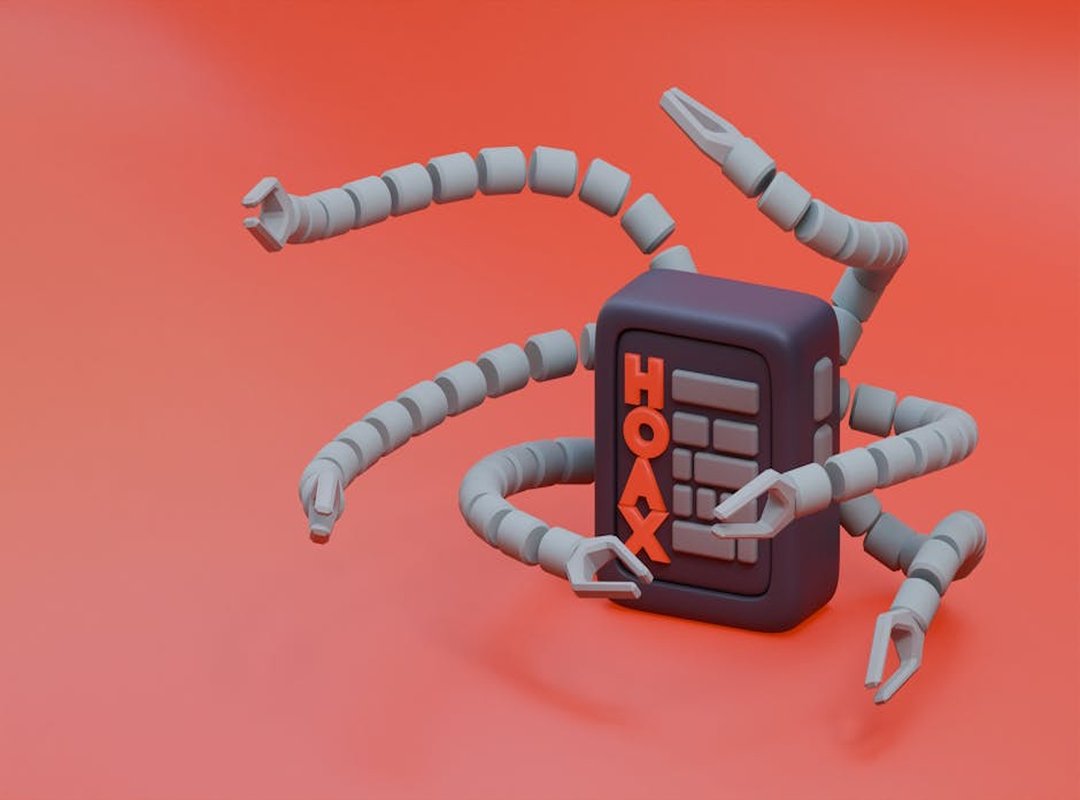
Why do medical hoaxes spread so fast? It’s all about the emotions they trigger. Fear and disgust are powerful.
They make us want to share and warn others.
In the early 2010s, digital literacy was low. Fact-checking wasn’t as common. This let false stories run wild.
The ‘blue waffles soa’ phenomenon is a perfect example. It shows why we need to be careful with online health info.
Strong emotional reactions play a big role. When we see something that scares or disgusts us, we’re more likely to share it. It’s a survival instinct.
We want to protect ourselves and others.
The lack of fact-checking back then made it worse. People didn’t have the tools or knowledge to verify what they saw. So, these stories spread like wildfire.
This isn’t just about one hoax. It’s part of a bigger trend. ‘Creepypasta’ and other internet legends blur the line between fiction and reality.
They make us question what’s real and what’s not.
What’s next? How can you stay safe? Always verify the information you find online, especially about health.
Use reliable sources and fact-check before sharing. And if you’re looking to elevate your style, must have accessories to elevate your look.
What to Do If You Have Real Health Concerns
I get it. Sometimes you search for things online because you’re really worried about your health. Maybe you’ve noticed some unusual symptoms, and you’re not sure what’s going on.
First off, let me be clear: real conditions like yeast infections, bacterial vaginosis, or certain STIs can cause symptoms like discoloration, discharge, or discomfort.
But here’s the thing. Self-diagnosing via the internet is dangerous and unreliable. Misinformation is everywhere, and it can lead you down a rabbit hole of worry and confusion.
The only way to get an accurate diagnosis and proper treatment is to consult a healthcare professional. They have the training and tools to figure out what’s really going on.
Doctors are there to help without judgment. Trust me, they’ve seen it all. (Including things like blue waffles soa, which is a good reminder that they can handle anything.)
So, if you’re feeling unwell, take a deep breath and make an appointment. Your health is too important to leave to guesswork.
Your Next Steps
blue waffles soa is a term that might come up in specific contexts. It’s important to understand its meaning and relevance.
 Founder & Creative Director